
This easy teriyaki sauce recipe makes a glossy, flavorful Japanese-inspired sauce with the perfect balance of sweet, savory, and tangy flavors. Made with simple pantry ingredients like soy sauce, brown sugar, garlic, ginger, and mirin, homemade teriyaki sauce comes together quickly and tastes fresher than many store-bought versions. Use this homemade teriyaki sauce to glaze chicken, coat stir-fried vegetables, season noodles, or drizzle over rice bowls. You can adjust the sweetness, saltiness, and thickness to suit your taste, making it a versatile sauce to keep on hand for quick weeknight meals.
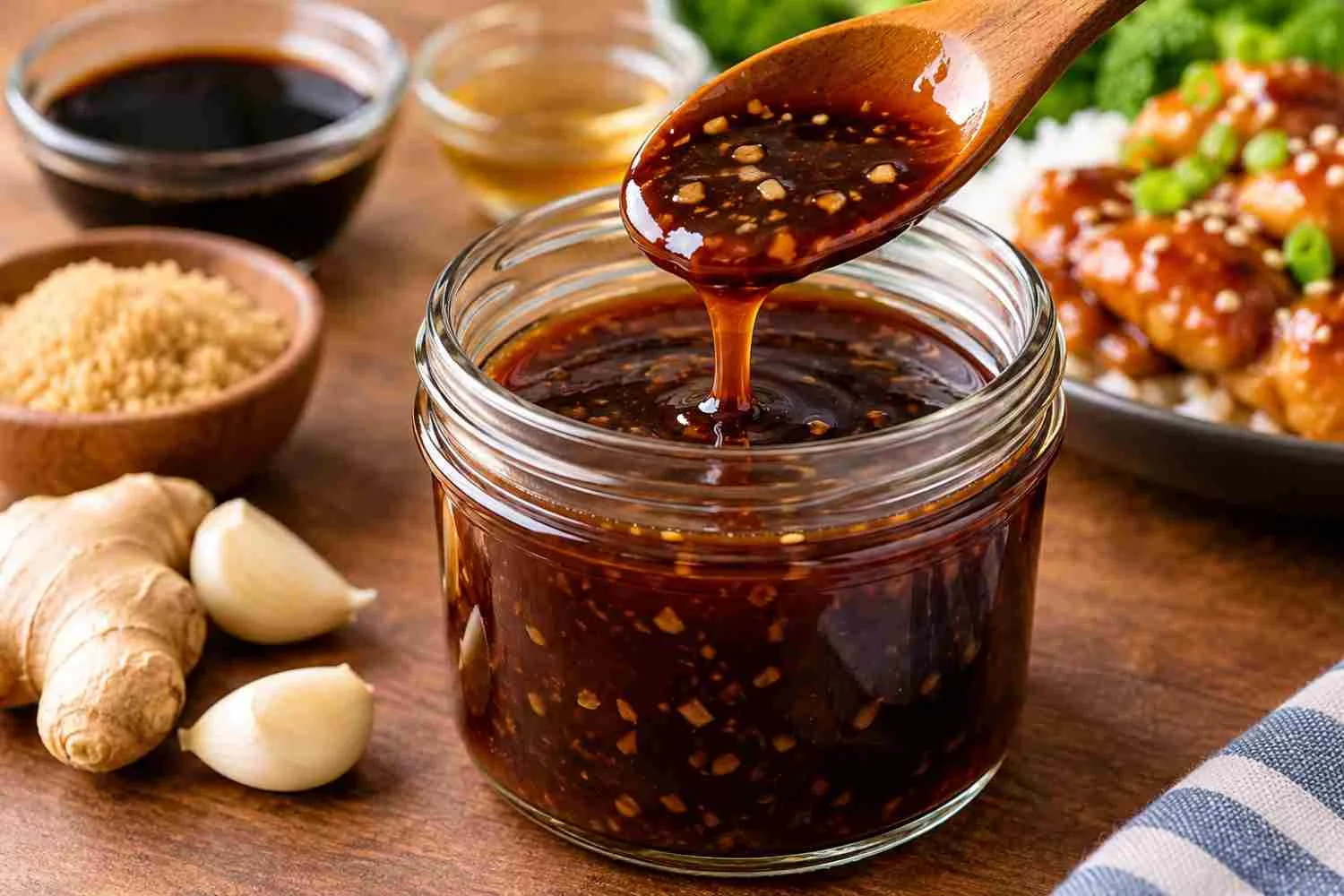
Teriyaki Sauce Ingredients
- ½ cup soy sauce
- ¼ cup water
- 3 tablespoons brown sugar
- 2 tablespoons mirin
- 1 tablespoon honey
- 2 cloves garlic, minced
- 1 teaspoon freshly grated ginger
- 1 tablespoon rice vinegar
- 1 tablespoon cornstarch
- 2 tablespoons cold water, for the cornstarch slurry
- ½ teaspoon toasted sesame oil, optional

Preparation Time
- Prep time: 5 minutes
- Cook time: 5–10 minutes
- Total time: 10–15 minutes
- Yield: About ¾–1 cup, depending on simmering time
Ingredient Notes
Soy sauce: Provides the savory, salty foundation. Regular Japanese soy sauce works well, while reduced-sodium soy sauce gives you more control over the salt level.
Brown sugar and honey: Add sweetness and help create a glossy glaze. You can adjust the quantities depending on how sweet you prefer your sauce.
Mirin: A sweet Japanese rice seasoning that adds depth and a characteristic teriyaki flavor. If you do not have mirin, you can use a little extra water with a small amount of sugar.
Garlic and ginger: Bring warmth and aroma to the sauce. Fresh ingredients provide a more pronounced flavor, but small amounts of garlic powder and ground ginger can work in a pinch.
Rice vinegar: Adds a little acidity to balance the sweetness and saltiness.
Cornstarch: Thickens the sauce so it clings to meat, vegetables, and other ingredients.
Sesame oil: Optional, but a small amount adds a toasted aroma. It is not essential to the basic.

How to Make Teriyaki Sauce
Step 1: Combine the ingredients
Add the soy sauce, ¼ cup water, brown sugar, mirin, honey, minced garlic, grated ginger, and rice vinegar to a small saucepan. Whisk until the sugar begins to dissolve.

Step 2: Heat the sauce.
Place the saucepan over medium heat and bring the mixture to a gentle simmer, stirring occasionally. Let it cook for about 3–5 minutes so the flavors can combine. Avoid a vigorous boil, which can cause the sauce to reduce too quickly.

Step 3: Prepare the cornstarch slurry.
In a small bowl, whisk the cornstarch with 2 tablespoons of cold water until completely smooth. Mixing it with cold water first helps prevent lumps.

Step 4: Thicken the sauce.
Slowly pour the slurry into the simmering sauce while whisking continuously. Cook for another 1–2 minutes, or until the sauce becomes glossy and reaches your preferred consistency.

Step 5: Adjust the flavor.
Taste carefully once the sauce has cooled slightly. Add a little water if it is too salty, a small amount of sugar or honey if it needs more sweetness, or a few drops of rice vinegar if it tastes too sweet.

Step 6: Finish and serve.
Remove the saucepan from the heat. Stir in the optional sesame oil, if using. Let the sauce cool slightly before using it as a glaze, marinade, dipping sauce, or finishing sauce.
How to Make Teriyaki Sauce Thick
The best thickness depends on how you plan to use your teriyaki sauce. A thinner consistency works well for marinades, while a thicker, glossy sauce is ideal for glazing chicken, salmon, tofu, and vegetables.
Here are the easiest ways to control the texture:
- Use a cornstarch slurry: Mix 1 tablespoon of cornstarch with 2 tablespoons of cold water before adding it to the simmering sauce.
- Simmer for longer: Let the sauce reduce gently to evaporate some of the water. Stir frequently and watch it closely to prevent excessive reduction.
- Add thickener gradually: If the sauce is still too thin, prepare a small additional slurry and whisk it in a little at a time.
- Allow it to cool: Teriyaki sauce usually thickens further as it cools, so remove it from the heat when it is slightly thinner than your desired final consistency.
Avoid adding dry cornstarch directly to the hot sauce because it can form lumps. If your sauce becomes too thick, whisk in a little warm water until it reaches the consistency you want.
How to Adjust Sweetness and Saltiness
One of the biggest benefits of a homemade teriyaki sauce recipe is the ability to customize the flavor. The ideal balance depends on the soy sauce you use and whether you prefer a sweeter glaze or a more savory sauce.
For a sweeter sauce: Add brown sugar or honey in small amounts, stirring until dissolved. Taste after each addition so the sauce does not become overly sweet.
For a less salty sauce: Use reduced-sodium soy sauce or add a little water. Avoid adding extra soy sauce until you have tasted the finished mixture.
For a more savory sauce: Add a small amount of soy sauce or fresh ginger, keeping in mind that extra soy sauce will increase the saltiness.
For more tanginess: Add rice vinegar a few drops at a time. Too much can overpower the other flavors.
For more garlic and ginger flavor: Increase the fresh aromatics slightly or let them simmer briefly in the sauce. Avoid burning the garlic, which can create a bitter taste.
For a milder flavor: Add a little water and reduce the amount of garlic or ginger next time.
Make adjustments gradually. A small change can make a noticeable difference in a sauce with such a concentrated flavor.
Ways to Use Homemade Teriyaki Sauce
Homemade teriyaki sauce is versatile enough for everyday cooking. Its sweet and savory profile works with a range of proteins, vegetables, and grains. For quick weeknight inspiration, explore these easy meals with 3 ingredient teriyaki sauce for simple ways to add sweet and savory flavor to chicken, vegetables, noodles, and rice bowls.
- Teriyaki chicken: Brush the sauce over cooked chicken or toss it with pan-seared chicken pieces during the final few minutes of cooking.
- Teriyaki salmon: Brush a thin layer over salmon near the end of cooking for a flavorful glaze. Avoid applying sugary sauce too early over high heat because it can burn.
- Stir-fried vegetables: Toss broccoli, bell peppers, carrots, mushrooms, or snap peas with a little sauce just before serving.
- Noodles: Stir a few spoonfuls into cooked noodles with vegetables and your preferred protein.
- Rice bowls: Drizzle over rice, tofu, chicken, salmon, or roasted vegetables for a quick meal.
- Tofu: Brush over baked or pan-fried tofu during the last few minutes of cooking.
- Dipping sauce: Serve a small bowl alongside dumplings, skewers, or cooked vegetables.
- Glazed meatballs: Toss fully cooked meatballs in warm teriyaki sauce until evenly coated.
Can You Use Teriyaki Sauce as a Marinade?
Yes. Teriyaki sauce can be used as a marinade for chicken, beef, pork, fish, or tofu. For raw meat or seafood, keep the food refrigerated while marinating. Discard marinade that has touched raw meat or seafood, or boil it thoroughly before using it as a sauce. For convenience and food safety, reserve a separate portion before adding raw ingredients.
How to Store and Reheat It
Allow the teriyaki sauce to cool, then transfer it to a clean, airtight container and refrigerate it promptly. For best quality, use homemade teriyaki sauce within about one week, provided it has been handled and stored safely. Discard it if you notice mold, an unusual smell, or other signs of spoilage.
Refrigerator storage: Keep the sauce in a sealed container in the refrigerator and use a clean spoon whenever you serve it.
Reheating: Warm the amount you need in a small saucepan over low heat, stirring frequently. If the sauce has thickened too much, add a teaspoon of water at a time until it loosens.
Freezing: You can freeze the sauce in small, airtight portions for convenience. Leave a little room for expansion and thaw it in the refrigerator before reheating. The texture may change slightly after thawing, so stir well before using.
Food safety: If you used the sauce to marinate raw meat or seafood, do not store or reuse it as a ready-to-eat sauce unless it has been brought to a full boil. Keeping a separate, untouched portion is the easiest option.
Frequently Asked Questions
What are the main teriyaki sauce ingredients?
The main ingredients in this recipe are soy sauce, water, brown sugar, mirin, honey, garlic, ginger, and rice vinegar. Cornstarch and water help thicken the sauce, while sesame oil is optional.
How do you make teriyaki sauce from scratch?
Whisk the soy sauce, water, sweeteners, mirin, garlic, ginger, and rice vinegar in a saucepan. Simmer briefly, then add a cornstarch slurry and cook until the sauce becomes glossy and thick.
Is homemade teriyaki sauce better than store-bought?
Homemade teriyaki sauce gives you more control over sweetness, saltiness, and thickness. Store-bought versions are convenient, but their ingredients and flavor profiles vary by brand.
How can I make teriyaki sauce without cornstarch?
Simmer the sauce gently until some of the liquid evaporates and it naturally reduces. Stir regularly and remember that the sauce will thicken slightly as it cools.
Can I make teriyaki sauce gluten-free?
Yes. Use certified gluten-free tamari instead of regular soy sauce and check that the mirin, vinegar, and other ingredients are also suitable for a gluten-free diet.
Why is my teriyaki sauce too salty?
The soy sauce may be too concentrated for your taste. Add a little water and, if necessary, a small amount of sugar or honey to balance the flavor. Reduced-sodium soy sauce is also a useful option for your next batch.
Can I make teriyaki sauce without mirin?
Yes. Replace the mirin with a little water and a small pinch of sugar. The sauce will still work, although it may lack some of mirin’s characteristic flavor.
How long does homemade teriyaki sauce last?
Store it in a clean, airtight container in the refrigerator and aim to use it within about one week. Storage time depends on the ingredients and handling, so discard the sauce if it shows signs of spoilage.
Can I use teriyaki sauce on vegetables?
Absolutely. Toss cooked or stir-fried vegetables with a small amount of sauce near the end of cooking, or drizzle it over roasted vegetables before serving.
Final Thoughts
This easy teriyaki sauce recipe is a practical way to add sweet, savory flavor to chicken, salmon, tofu, vegetables, noodles, and rice bowls. With a few everyday ingredients and around 10–15 minutes, you can prepare a homemade sauce and adjust it to your preferred sweetness, saltiness, and thickness.
Keep a batch in the refrigerator for quick meals, and remember to store it safely and handle marinades carefully. Final note: For the best results, add the thickener gradually, taste before making adjustments, and remember that teriyaki sauce becomes thicker as it cools.