
A homemade apple sauce recipe is one of the easiest ways to enjoy the natural sweetness of fresh apples. With just a few simple ingredients, you can make smooth or chunky applesauce that’s perfect for breakfast, snacks, baking, or serving alongside your favorite meals.It’s also one of the key ingredients in our moist apple sauce cake recipe, where homemade applesauce adds incredible flavor and keeps the cake soft and tender. If you’re looking for how to make apple sauce, this guide covers everything from choosing the best apples to cooking, blending, and storing homemade apples auce.
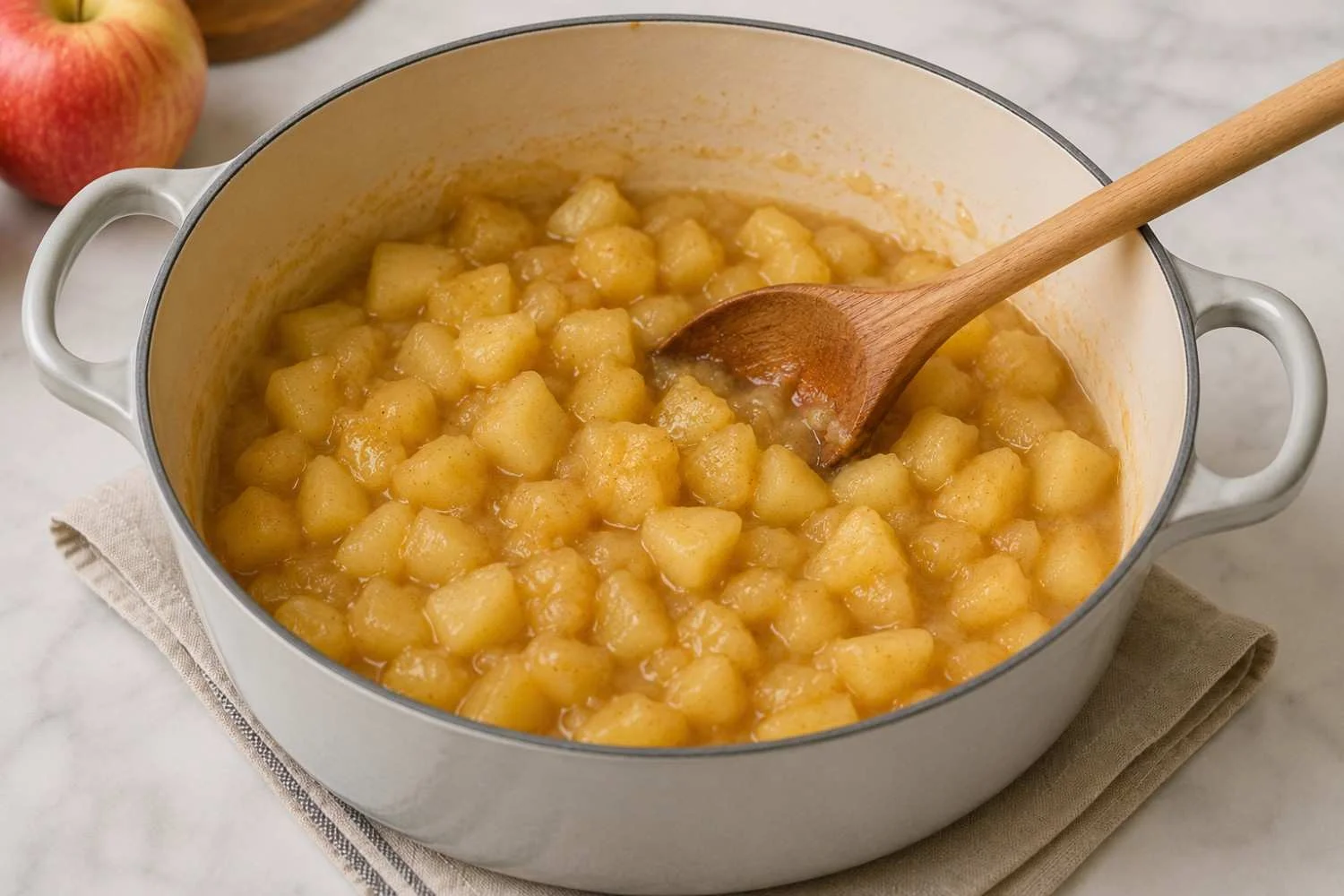
Apple Sauce Recipe
This homemade apple sauce recipe combines fresh apples, water, lemon juice, cinnamon, and a touch of sweetener if needed. Slow cooking softens the apples until they’re easy to mash or blend, creating a naturally flavorful applesauce that can be customized to your preferred texture.
Yield: About 6 cups
Prep Time: 15 minutes
Cook Time: 25 minutes
Total Time: 40 minutes

Ingredients
1: 3 pounds apples (about 8–10 medium apples), peeled, cored, and chopped
2: ½ cup water
3: 1 tablespoon fresh lemon juice
4: 1 teaspoon ground cinnamon (optional)
5: 1–2 tablespoons honey, maple syrup, or sugar (optional)
6: 1 teaspoon vanilla extract (optional)
7: Pinch of salt
Why Each Ingredient Matters
Apples
Apples are the foundation of the recipe and determine both the flavor and texture. Sweeter varieties produce naturally sweet applesauce, while tart apples create a brighter flavor. Combining two apple varieties often creates the most balanced result.
Water
A small amount of water prevents the apples from sticking as they begin to soften. As the apples cook, they release their own juices, creating the perfect consistency.
Lemon Juice
Fresh lemon juice brightens the flavor while helping the apples maintain their natural color during cooking.

Cinnamon
Ground cinnamon adds warmth and complements the natural sweetness of the apples without overpowering them.
Sweetener
Many apples are naturally sweet enough that additional sweetener isn’t necessary. Honey, maple syrup or granulated sugar can be added to taste if desired.
Vanilla Extract
Vanilla provides subtle depth and enhances the overall flavor without making the applesauce overly sweet.
Salt
A small pinch of salt helps balance the sweetness and brings out the natural apple flavor.

Equipment You’ll Need
1: Large saucepan or Dutch oven
2: Vegetable peeler
3: Apple corer or paring knife
4: Cutting board
5: Sharp chef’s knife
6: Wooden spoon or silicone spatula
7: Potato masher, immersion blender, or food processor
8: Measuring cups and spoons
9: Airtight storage containers or glass jars
How to Make Apple Sauce

Step 1: Prepare the Apples
Peel, core, and chop the apples into evenly sized pieces. Uniform pieces cook more evenly and soften at the same rate, creating a smoother applesauce.
Step 2: Combine the Ingredients
Place the chopped apples into a large saucepan or Dutch oven. Add the water, lemon juice, cinnamon, sweetener (if using), vanilla extract, and a pinch of salt. Stir gently until the apples are evenly coated.
Step 3: Cook Until Tender
Cover the saucepan and cook over medium-low heat for about 20 to 25 minutes, stirring occasionally. The apples are ready when they easily break apart with a spoon or fork and most of the liquid has been absorbed.
Step 4: Mash or Blend the Apples
Once the apples are fully softened, remove the saucepan from the heat. For chunky applesauce, mash the apples with a potato masher until you reach your preferred consistency. For a smoother texture, use an immersion blender directly in the pot or carefully transfer the apples to a food processor or blender and process until smooth.
Step 5: Taste and Adjust
Taste the applesauce while it’s still warm. If you’d like a sweeter flavor, stir in a little more honey, maple syrup, or sugar. Add an extra squeeze of lemon juice for a brighter finish or another pinch of cinnamon if you prefer a warmer spice flavor.

Step 6: Cool and Serve
Allow the apple sauce to cool slightly before serving. It can be enjoyed warm immediately or refrigerated until chilled. As it cools, the applesauce naturally thickens into a smooth, spoonable consistency.

Expert Tips for the Best Homemade Apple Sauce
- Combine sweet and tart apples for a balanced flavor with natural sweetness and bright acidity.
- Cut the apples into evenly sized pieces so they cook at the same rate.
- Cook over medium-low heat to prevent the apples from sticking or scorching.
- Stir occasionally throughout cooking to help the apples soften evenly.
- Add sweetener only after tasting the cooked apples, since many apple varieties are naturally sweet enough.
- Blend only until the desired consistency is reached. Over-blending can make the applesauce thinner than intended.
- Allow the applesauce to cool completely before transferring it to storage containers.
- Homemade applesauce often tastes even better after chilling for several hours because the flavors have more time to develop.
Common Mistakes and How to Fix Them
1: Using Only One Apple Variety
Using only very sweet or very tart apples can produce applesauce with a one-dimensional flavor. Mixing two varieties usually creates a richer, more balanced taste.
2: Adding Too Much Water
Too much water can make applesauce thin and watery. Start with the recommended amount and allow the apples to release their own juices while cooking.
3: Overcooking the Apples
Cooking the apples for too long may reduce too much liquid and create an overly thick consistency. Remove them from the heat once they’re soft enough to mash easily.
4: Adding Too Much Sweetener
Many apples naturally contain enough sweetness without additional sugar. Always taste the cooked apples before deciding whether extra sweetener is needed.
5: Skipping the Lemon Juice
Lemon juice brightens the flavor and helps prevent the apples from browning while cooking. Even a small amount makes a noticeable difference.
Flavor Variations
1: Cinnamon Apple Sauce
Increase the cinnamon slightly for a warmer, classic applesauce that’s perfect during cooler months.
2: Vanilla Apple Sauce
Add a little extra vanilla extract after cooking for a smoother, richer flavor.
3: Maple Apple Sauce
Replace the optional sweetener with pure maple syrup for gentle caramel-like sweetness.
4: Spiced Apple Sauce
Add a pinch of nutmeg, ground cloves, and allspice alongside the cinnamon for deeper flavor.
5: Honey Apple Sauce
Use honey instead of sugar for a naturally sweet variation that pairs beautifully with fresh apples. Check out full classic honey roasted apple sauce recipe here.
6: Mixed Fruit Apple Sauce
Cook pears, peaches, or berries together with the apples to create a flavorful fruit blend while maintaining the smooth texture of traditional applesauce.
7: Cranberry Apple Sauce
Fresh cranberries and orange juice transform classic applesauce into a bright, tangy version that’s perfect for fall and holiday meals. Try this cranberry based apple sauce recipe for a delicious holiday variation.
Best Ways to Serve Apple Sauce
1: Breakfast
Serve applesauce with oatmeal, pancakes, waffles, yogurt, or granola for a naturally sweet breakfast.
2: Snacks
Enjoy it on its own or pair it with crackers, cheese, or fresh fruit for an easy snack.
3: Baking
Use applesauce in muffins, cakes, quick breads, or cookies where a smooth fruit puree is desired.
4: Side Dish
Homemade applesauce pairs wonderfully with pork chops, roasted chicken, turkey, or roasted vegetables.
5: Desserts
Layer applesauce into parfaits, spoon it over vanilla ice cream, or serve it alongside warm baked desserts for extra fruit flavor.
Storage Instructions
Refrigerator
Allow the applesauce to cool completely before transferring it to airtight containers or glass jars. Store it in the refrigerator for up to one week. Stir before serving if any natural separation occurs. You can check out more storage tips of apple sauce by saucevista.
Freezer
Homemade applesauce freezes well. Divide it into freezer-safe containers or bags, leaving a little space for expansion. Freeze for up to 3 months and thaw overnight in the refrigerator before using.
Serving After Storage
Applesauce can be enjoyed cold straight from the refrigerator or gently warmed on the stovetop or in the microwave. Stir well after reheating to restore its smooth consistency.
Frequently Asked Questions
What are the best apples for homemade apple sauce?
The best apples for applesauce include Fuji, Gala, Honeycrisp, Golden Delicious, McIntosh, Jonathan, Pink Lady, and Granny Smith. Combining a sweet variety with a tart variety creates the most balanced flavor and a naturally smooth texture.
Should I peel apples before making applesauce?
Peeling the apples produces a smoother, more traditional applesauce. If you prefer a more rustic texture, you can leave the peels on and blend the finished applesauce until smooth.
Can I make apple sauce without sugar?
Yes. Many apple varieties are naturally sweet enough that additional sugar isn’t necessary. Taste the cooked apples first, then add honey, maple syrup, or sugar only if desired.
Why is my homemade applesauce watery?
Watery applesauce usually results from adding too much water or using apples with a high moisture content. Continue cooking the applesauce uncovered for a few extra minutes until some of the excess liquid evaporates.
Can I make chunky applesauce?
Absolutely. Simply mash the cooked apples with a potato masher instead of blending them completely. This creates a thicker applesauce with small pieces of tender apple throughout.
Can I use applesauce for baking?
Yes. Homemade applesauce works well in muffins, cakes, quick breads, pancakes, waffles, and many other baked goods where a fruit puree is called for.
Conclusion
Making homemade apple sauce is a simple way to enjoy the fresh flavor of apples using just a handful of everyday ingredients. By choosing quality apples, cooking them until tender, and adjusting the texture to your preference, you can create a smooth or chunky applesauce that’s naturally flavorful and incredibly versatile. If you’re looking for another delicious way to enjoy fresh apples, try our preimium caramel apple dipping sauce recipe. Its rich, buttery caramel pairs perfectly with crisp apple slices and makes an easy dessert or party treat.