Burger sauce variations are one of the easiest ways to give homemade burgers a completely different flavor without changing the patty itself. A simple adjustment to a classic burger sauce can create bold garlic notes, smoky chipotle heat, tangy mustard flavor, or rich barbecue sweetness. Whether you’re grilling beef burgers, preparing chicken burgers, making turkey burgers, or cooking veggie burgers, choosing the right burger sauce can transform the entire meal. This guide explores the most popular burger sauce variations, explains how each one tastes, highlights the best burger pairings, and shares practical tips for creating restaurant-quality sauces at home.
Classic Burger Sauce Variations
Classic burger sauce is the starting point for nearly every homemade and restaurant-style recipe. Its creamy texture and balanced flavor make it easy to customize without losing the qualities that make it so popular.
1. Traditional Burger Sauce
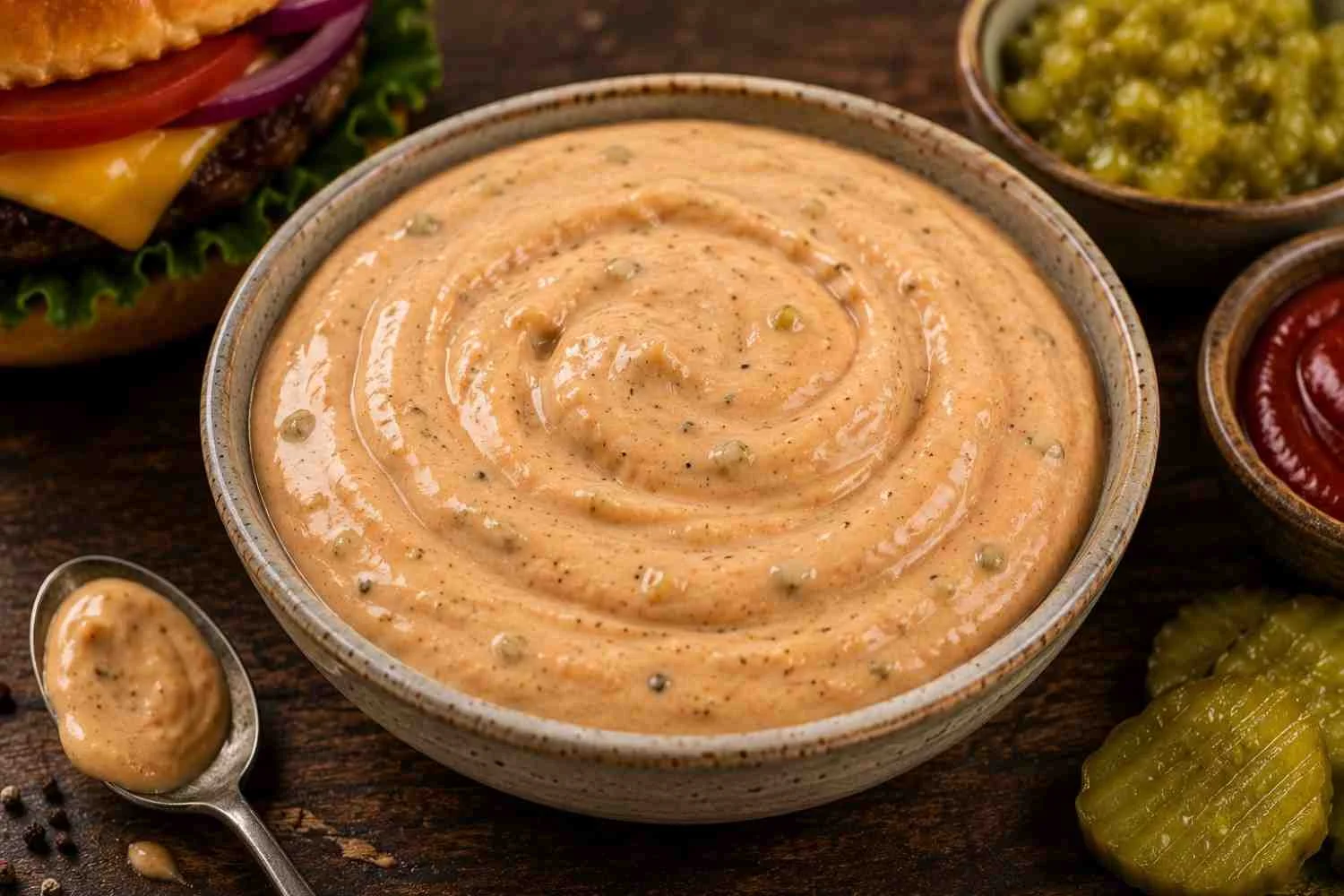
Traditional burger sauce combines mayonnaise, ketchup, yellow mustard, sweet pickle relish, garlic powder, onion powder, Worcestershire sauce, paprika, and black pepper. The result is a smooth, creamy sauce with the perfect balance of sweetness, tanginess, and savory flavor.
Because the ingredients complement rather than overpower the meat, traditional burger sauce works with almost every type of burger. It spreads easily on toasted buns, adds moisture to lean patties, and provides a familiar flavor that appeals to most people. Cheeseburgers, bacon burgers, smash burgers, and backyard barbecue burgers all pair beautifully with this classic variation.
If you’re experimenting with homemade sauces for the first time, the traditional version is the best place to start because it creates a balanced foundation that can easily be customized.

2. Garlic Burger Sauce Variation
Garlic is one of the simplest ways to create a richer, more savory burger sauce.
Fresh Garlic Version
Freshly grated garlic delivers bold aroma and noticeable sharpness. When combined with mayonnaise, mustard, and lemon juice, it produces a restaurant-style garlic burger sauce that complements grilled beef burgers exceptionally well.
Allowing the sauce to chill for at least thirty minutes softens the garlic slightly while helping the flavors blend together naturally.
Roasted Garlic Version
Roasted garlic offers a completely different experience. Slow roasting transforms garlic into a sweeter, milder ingredient with subtle caramelized notes.
This variation pairs especially well with gourmet burgers topped with Swiss cheese, sautéed mushrooms, caramelized onions, roasted peppers, and brioche buns.
Although both versions contain garlic, their flavor profiles are noticeably different, making each suitable for different burger styles. For a complete step-by-step version with ingredient measurements and storage tips, try this homemade garlic burger sauce recipe.

3. Chipotle Burger Sauce Variation
Chipotle burger sauce is perfect for people who enjoy smoky flavor with moderate heat.
A classic burger sauce becomes a chipotle variation by adding chipotle peppers in adobo sauce, smoked paprika, garlic, and a small amount of lime juice.
The smoky heat complements grilled beef burgers because it enhances the caramelized crust developed during cooking. Chipotle burger sauce also pairs beautifully with pepper jack cheese, crispy bacon, grilled onions, avocado, and toasted brioche buns.
One useful technique is adding the chipotle gradually. The smoky flavor often becomes more pronounced after refrigeration, so starting with a smaller amount makes balancing easier. Follow this creamy chipotle burger sauce recipe for a richer homemade version.
4. Mustard Burger Sauce Variation
Mustard-based burger sauce offers brighter acidity while maintaining the creamy consistency expected from burger sauce.
Yellow Mustard
Yellow mustard creates the familiar American burger flavor found in diners and backyard cookouts. Its mild tang balances rich beef without becoming overpowering.
Dijon Mustard
Dijon mustard contributes smoother texture and a more refined flavor. It pairs particularly well with gourmet burgers featuring Swiss cheese, mushrooms, grilled onions, and artisan buns.
Whole Grain Mustard
Whole grain mustard introduces additional texture while providing gentle acidity. It works especially well with premium beef burgers and burgers topped with sharp cheddar or smoked cheese.
Each mustard variation creates a slightly different experience while remaining true to the classic burger sauce profile.
5. Spicy Burger Sauce Variation
Spicy burger sauce adds excitement while maintaining creaminess.
Jalapeño Burger Sauce
Finely chopped fresh jalapeños create crisp heat without overwhelming the other ingredients. Removing the seeds produces a milder sauce suitable for most palates.
Sriracha Burger Sauce
Sriracha contributes balanced chili heat, garlic, and slight sweetness. Because it blends smoothly into mayonnaise-based sauces, it creates one of the easiest spicy burger sauce variations.
Hot Sauce Variation
Louisiana-style hot sauce creates bright vinegar-forward heat, while buffalo sauce adds buttery richness. Mexican hot sauces often contribute additional spice complexity.
The best approach is adding heat gradually so the burger sauce remains balanced rather than overwhelmingly spicy.
6. BBQ Burger Sauce Variation
BBQ burger sauce blends classic burger sauce with barbecue sauce to produce sweet, smoky flavor. For a sweeter and smokier option, see our rich BBQ burger sauce recipe.
Kansas City Style
Kansas City barbecue sauce introduces rich tomato sweetness and mild smokiness.
Texas Style
Texas-inspired barbecue sauces produce deeper smoky flavor with less sweetness.
Carolina Style
Carolina barbecue influences create tangier burger sauce because of their vinegar-forward profile.
BBQ burger sauce pairs particularly well with bacon burgers, crispy onion rings, smoked cheddar, grilled onions, and barbecue-themed burgers cooked over charcoal.
7. Regional Burger Sauce Variations
Burger sauce has evolved differently across various regions.
American Diner Style
Traditional diner burger sauce relies on mayonnaise, ketchup, mustard, and pickle relish. Its simple flavor has remained popular for decades.
Southern Style
Southern-inspired sauces often include barbecue sauce, honey mustard, smoked paprika, or Worcestershire sauce for additional depth.
Southwest Style
Southwestern variations commonly incorporate chipotle peppers, cilantro, cumin, lime juice, and jalapeños, producing brighter and smokier sauces.
Gourmet Restaurant Style
Many restaurants develop signature burger sauces using roasted garlic, Dijon mustard, aioli, specialty vinegars, fresh herbs, and premium mayonnaise.
These regional influences demonstrate how small ingredient changes create distinctive burger sauce variations.
When to Use Each Burger Sauce Variation
Choosing the right burger sauce depends on the burger itself.
Traditional burger sauce remains the most versatile option and pairs well with almost every burger.
Garlic burger sauce complements mushroom burgers, Swiss cheeseburgers, and grilled beef patties.
Chipotle burger sauce works especially well with smoky burgers, bacon burgers, and pepper jack cheese.
Mustard burger sauce enhances cheeseburgers, turkey burgers, and grilled chicken burgers.
Spicy burger sauce pairs naturally with jalapeño burgers and barbecue burgers.
BBQ burger sauce complements smoked beef, onion rings, bacon, and cheddar cheese.
Regional burger sauce variations work best when matched with local toppings and cooking styles.
Selecting the correct sauce creates better balance throughout the meal.
Tips for Choosing the Right Burger Sauce
When experimenting with burger sauce variations, start with a reliable classic recipe before making changes.
Adjust only one major ingredient at a time so you can clearly identify how it affects flavor.
Allow the sauce to chill before tasting because refrigeration helps the ingredients blend together.
Choose toppings that complement the sauce rather than compete with it. Garlic sauces pair beautifully with mushrooms, while barbecue sauces naturally suit bacon and smoked cheese.
Using high-quality mayonnaise also improves both texture and flavor because it forms the foundation of nearly every burger sauce variation.
Common Mistakes to Avoid
Many homemade burger sauces become overly complicated because too many ingredients are added at once.
Combining garlic, chipotle, barbecue sauce, mustard, hot sauce, herbs, and multiple spices often creates a confused flavor profile.
Another mistake is overpowering the burger itself. The sauce should support the meat rather than dominate every bite.
Skipping refrigeration also prevents the flavors from fully blending together.
Finally, using poor-quality mayonnaise often results in thinner texture and less balanced flavor.
FAQs
What is the most popular burger sauce variation?
Traditional burger sauce remains the most popular, while garlic burger sauce and chipotle burger sauce are among the most commonly customized versions.
Which burger sauce variation is best for beef burgers?
Garlic, chipotle, mustard, and barbecue burger sauce variations all pair exceptionally well with grilled beef burgers because they complement the meat without masking its natural flavor.
Can I create my own burger sauce variation?
Yes. Start with a classic burger sauce recipe and gradually adjust ingredients such as garlic, mustard, chipotle peppers, herbs, hot sauce, or barbecue sauce until you achieve your preferred flavor balance.
Conclusion
Exploring different burger sauce variations is one of the simplest ways to create unique burgers at home. From traditional and garlic versions to smoky chipotle, tangy mustard, spicy, barbecue, and regional styles, each variation offers a different flavor while building on the same creamy foundation. By matching the right sauce with the right burger and toppings, you can create balanced, restaurant-quality burgers that are both flavorful and memorable.