A perfectly roasted spit of marinated meat is only half the equation when it comes to Middle Eastern street food. The true magic happens the moment a rich, garlic-infused condiment hits the warm pita bread. Without a high-quality sauce, even the best-seasoned chicken or beef can feel dry and incomplete.
Creating a restaurant-quality wrap at home requires understanding the delicate balance of acidity, creaminess, and aromatic heat. While many home cooks focus entirely on the meat marinade, culinary experts know that the condiment dictates the final flavor profile of the dish. You will also find top best sauces for shawarma in market.
What is shawarma sauce made of?
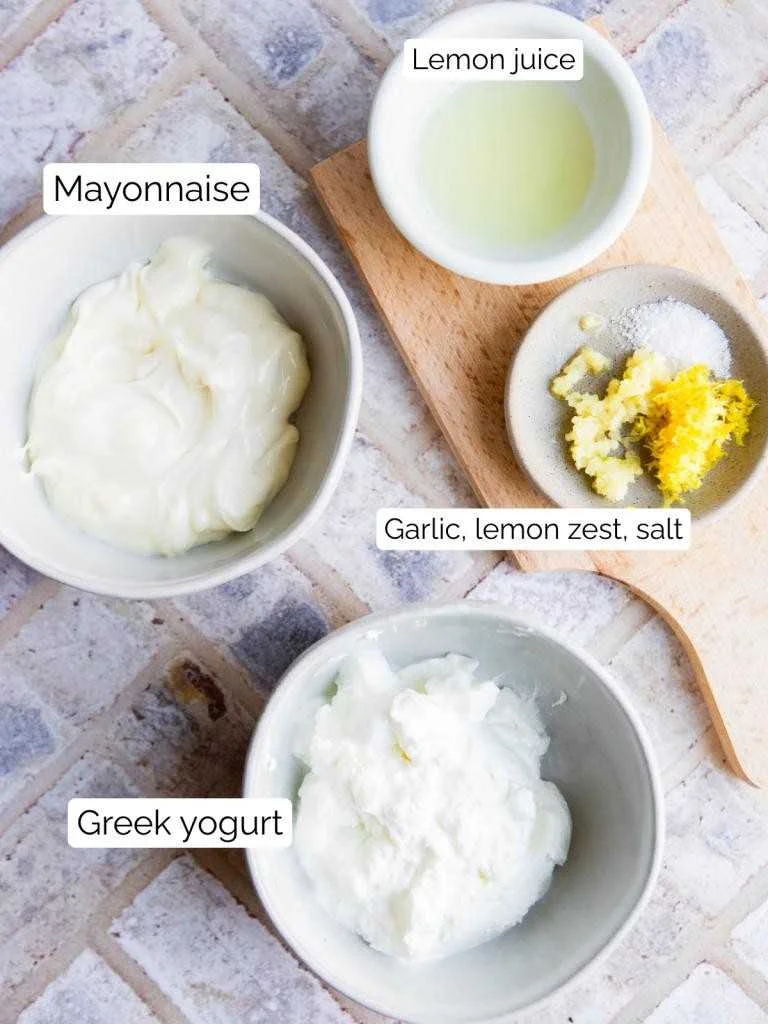
Traditional easy shawarma sauce recipe is made of full-fat plain or Greek yogurt, mayonnaise, freshly minced garlic, and freshly squeezed lemon juice. Many chefs also add a pinch of salt, white pepper, and optional ingredients like tahini or fresh dill for extra complexity.
To master this recipe, you must understand your ingredient toolkit. Each component serves a distinct purpose in balancing the overall flavor profile.
If you prefer thicker consistency try greek yogurt version recipe. Choose standard plain yogurt if you want a thinner consistency ideal for drizzling over rice bowls. The yogurt provides the essential tangy background that cuts through heavy meat fats.
Mayonnaise introduces a smooth, luxurious mouthfeel. A high quality, whole egg mayonnaise binds the water content of the yogurt, preventing the mixture from splitting. Fresh lemon juice acts as the primary acid, waking up the palate and brightening the heavy dairy elements. Finally, fresh garlic delivers the signature aromatic punch. Grating the garlic on a microplane ensures the oils distribute evenly, preventing harsh, raw chunks from ruining a bite.

What does shawarma sauce taste like?
Shawarma sauce tastes rich, tangy, and intensely garlicky. The yogurt provides a refreshing, slightly sour cooling effect, while the mayonnaise adds a decadent creaminess. Fresh lemon juice cuts through the richness, and the raw garlic leaves a sharp, lingering aromatic bite.
The contrast of temperatures and flavors defines the street food experience. The sauce acts as a cooling mechanism against aggressively spiced, piping-hot proteins. When you take a bite, the initial sensation is smooth and dairy-heavy, followed immediately by a bright, citrusy acidity. As the bite finishes, the raw garlic leaves a warm, savory hum on the palate.
What sauce is given with shawarma?
The sauce given with shawarma depends on the meat and region. Chicken shawarma typically comes with a garlic heavy white sauce (toum) or yogurt-based sauce. Beef or lamb shawarma is traditionally served with a sesame-based tahini sauce, often accented with lemon and parsley.
Pairing the right condiment with the right protein is a strict culinary rule in many Middle Eastern restaurants. Chicken has a milder flavor profile, which allows potent garlic blends to shine without overwhelming the bird. Beef or lamb shawarma is traditionally served with a sesame-based tahini sauce. The earthy, slightly bitter notes of a tahini-based drizzle complement red meat perfectly.

What are the different types of shawarma sauce?
Different types of shawarma sauce include traditional garlic white sauce, sesame-heavy tahini sauce, and spicy chili sauces. Emerging 2026 trends also feature innovative varieties like black garlic aioli, smoky harissa garlic sauce, and vegan plant-based sauces using dairy-free yogurt alternatives.
Chefs are now reimagining the traditional garlic base. Black garlic aioli offers a sweet, umami-rich twist, while smoky harissa variations provide a complex heat. Plant-based dining is also reshaping the condiment landscape. As jackfruit and mushroom shawarmas gain traction, restaurants are developing rich, dairy-free sauces using oat milk yogurt and vegan mayonnaise to cater to flexitarian diets.
Homemade Shawarma Sauce Recipe
To make the best homemade shawarma sauce, combine one cup of Greek yogurt, one-quarter cup of mayonnaise, two tablespoons of lemon juice, and two minced garlic cloves in a bowl. Whisk the ingredients aggressively until perfectly smooth, then season with salt. Beginners often make several shawarma sauce mistakes that affect flavor and texture.
Making this recipe at home requires zero cooking and takes less than five minutes.
Core Ingredients
| Ingredient | Measurement | Purpose |
| Greek Yogurt | 1 cup | Provides a thick, tangy base |
| Mayonnaise | 1/4 cup | Adds richness and prevents splitting |
| Lemon Juice | 2 tablespoons | Brightens the flavor profile |
| Garlic Cloves | 2 (minced) | Delivers the aromatic heat |
| Salt & Pepper | To taste | Enhances overall seasoning |
| Fresh Mint (Optional) | 1 tablespoon | Adds a cooling herbal note |

Step-by-Step Instructions
- Prep the garlic: Peel the garlic cloves and grate them finely using a microplane. This ensures the garlic melts seamlessly into the liquids.
- Combine the base: Add the Greek yogurt and mayonnaise to a medium-sized mixing bowl. Whisk them together until they form a unified, silky texture.
- Add the flavorings: Stir in the grated garlic and fresh lemon juice. If you are using optional herbs like fresh mint or dill, fold them in gently.
- Season and chill: Add salt and white pepper to taste. Cover the bowl and place it in the refrigerator for at least 30 minutes before serving. Resting the mixture allows the garlic compounds to bloom and permeate the dairy.
Choose the simple whisking method if you want a fast, rustic texture. Choose a food processor if you are adding tough herbs or making a massive batch and desire a perfectly homogenized, airy consistency.
What are shawarma sauce ingredients for the Pinoy recipe?
Filipino-style (Pinoy) shawarma sauce ingredients include mayonnaise, plain yogurt, minced garlic, and a sweetening agent like sweetened condensed milk. Pinoy shawarma also frequently features a secondary cheese sauce made from cheese spread and evaporated milk for a uniquely sweet and savory flavor profile.
Southeast Asia has fully embraced Middle Eastern street food, but local vendors have completely tailored the flavor profile to match regional palates. The Filipino market heavily favors sweet and savory flavor combinations.
To create a Pinoy-style drizzle, cooks often reduce the acidity by omitting the lemon juice and introducing a heavy splash of sweetened condensed milk to the mayo-yogurt base. Furthermore, street vendors typically serve their beef wraps with a vibrant yellow cheese sauce. This secondary sauce is melted down using a commercial cheese spread (like Cheez Whiz) thinned out with evaporated milk or all-purpose cream. The combination of sweet garlic mayo and salty cheese sauce creates an incredibly popular, distinctively Filipino culinary experience.
What are some popular brands of shawarma sauce?
Popular brands of shawarma sauce include Ziyad, Wild Garden, and Trader Joe’s, alongside regional restaurant releases like Shawarma Press’s Classic Garlic Sauce. Grocery store brands offer convenient squeeze bottles, while specialty restaurants sell small-batch, freshly made tubs for an authentic experience.
If you lack the time to mix your own condiments, the retail market offers several high-quality alternatives. The commercial market is expanding rapidly to meet consumer demand for Mediterranean flavors at home.
| Brand Name | Typical Price (USD) | Best Feature |
| Trader Joe’s Garlic Spread | $3.99 – $5.00 | Fluffy, authentic toum texture |
| Ziyad Tahini Sauce | $6.50 – $8.00 | Excellent traditional sesame flavor |
| Wild Garden | $4.50 – $6.00 | Convenient squeeze bottle design |
| Shawarma Press (In-store) | Varies by location | Restaurant-quality freshness |
Choose grocery store squeeze bottles if convenience and long shelf life matter more than authentic texture. Choose fresh restaurant tubs if you want robust, unpasteurized garlic flavors for a dinner party.
What are some common uses for shawarma sauce?
Common uses for shawarma sauce include acting as a primary spread for pita wraps and sandwiches. You can also use it as a creamy dressing for grain bowls and salads, a dipping sauce for french fries, or a marinade for grilled chicken.
This condiment is incredibly versatile. Its high fat and acid content make it an excellent tenderizing marinade for tough cuts of chicken or lamb before grilling. You can thin the mixture out with a splash of olive oil and water to create a vibrant dressing for Mediterranean quinoa salads.
Many food enthusiasts simply use it as a superior alternative to standard ranch dressing. It pairs beautifully with roasted vegetables, acts as a rich burger spread, and elevates a simple plate of seasoned french fries into a gourmet side dish.

How long does shawarma sauce last?
Homemade shawarma sauce lasts up to two weeks when stored properly in an airtight container in the refrigerator. Commercial store-bought shawarma sauces can last up to six months unopened in the pantry, but require refrigeration and rapid consumption once the seal is broken.
Proper storage is critical for dairy-based condiments. Always use a clean spoon when serving to prevent bacterial cross-contamination. Glass mason jars work exceptionally well for storage because they do not absorb lingering garlic odors like plastic containers often do.
Because raw garlic oxidizes over time, the flavor will actually intensify after the second or third day in the fridge. If the mixture separates slightly after sitting, simply give it a vigorous stir to re-emulsify the ingredients before serving.
Frequently Asked Questions
How many calories are in a standard serving of shawarma white sauce?
A standard one-tablespoon serving of traditional white sauce contains approximately 60 to 70 calories. The majority of these calories come from the fat content found in the mayonnaise and whole-milk yogurt.
Can I substitute sour cream for Greek yogurt in shawarma sauce?
Yes, you can substitute sour cream for Greek yogurt. Sour cream adds roughly three times the fat content of Greek yogurt, which yields a much richer and heavier final texture, though it slightly alters the traditional tangy flavor.
What is the market size for Middle Eastern sauces globally?
The global market for Middle Eastern sauces and dips is expanding rapidly, driven by the rising popularity of Mediterranean diets. According to [Dot Foods, 2025], regional sauces are expected to see significant growth and flavor innovation through 2026.
Is traditional shawarma sauce gluten-free?
Yes, traditional homemade shawarma sauce made from yogurt, mayonnaise, lemon, and garlic is naturally gluten-free. Always check the labels on commercial store-bought brands, as some manufacturers use gluten-based thickeners or stabilizers.
Why does my homemade shawarma sauce taste too bitter?
Bitterness usually occurs when the raw garlic is overworked in a food processor or if the garlic cloves possess thick, mature green sprouts in their centers. Remove the green germ from the garlic clove before grating to ensure a sweeter aromatic flavor.
How much does homemade shawarma sauce cost to make?
Making a standard batch of this sauce at home is highly cost-effective, typically costing under $3.00 for a recipe that yields enough spread for six to eight large sandwiches.
What is the fastest way to mince garlic for this sauce?
The fastest and most effective way to process garlic for a smooth condiment is using a microplane grater. This tool turns the cloves into a fine paste almost instantly, preventing unpleasant chunks in the final product.
Does shawarma sauce contain raw eggs?
The sauce itself does not call for raw eggs, but it does contain mayonnaise. Most commercial mayonnaise is made with pasteurized eggs, making it safe to consume. If you use homemade mayonnaise, it will contain raw egg yolks.
What is the difference between Toum and shawarma white sauce?
Toum is a traditional Lebanese garlic paste made purely from an emulsion of raw garlic, oil, lemon juice, and salt. White sauce is a modern, creamier adaptation that uses a dairy base like yogurt and mayonnaise to achieve its texture.
How can I make my shawarma sauce vegan?
To create a vegan version, swap the traditional dairy components for a plain, unsweetened cashew or oat milk yogurt, and use a high-quality, egg-free plant-based mayonnaise.