
A watery meatloaf glaze can ruin the texture, appearance, and flavor balance of an otherwise perfectly cooked meatloaf. Instead of forming a sticky caramelized coating, the glaze slides off the meat, pools around the edges, and creates a thin uneven layer. The good news is that most watery meatloaf glaze problems come from a few common mistakes that are easy to fix once you understand how glaze consistency works during baking.
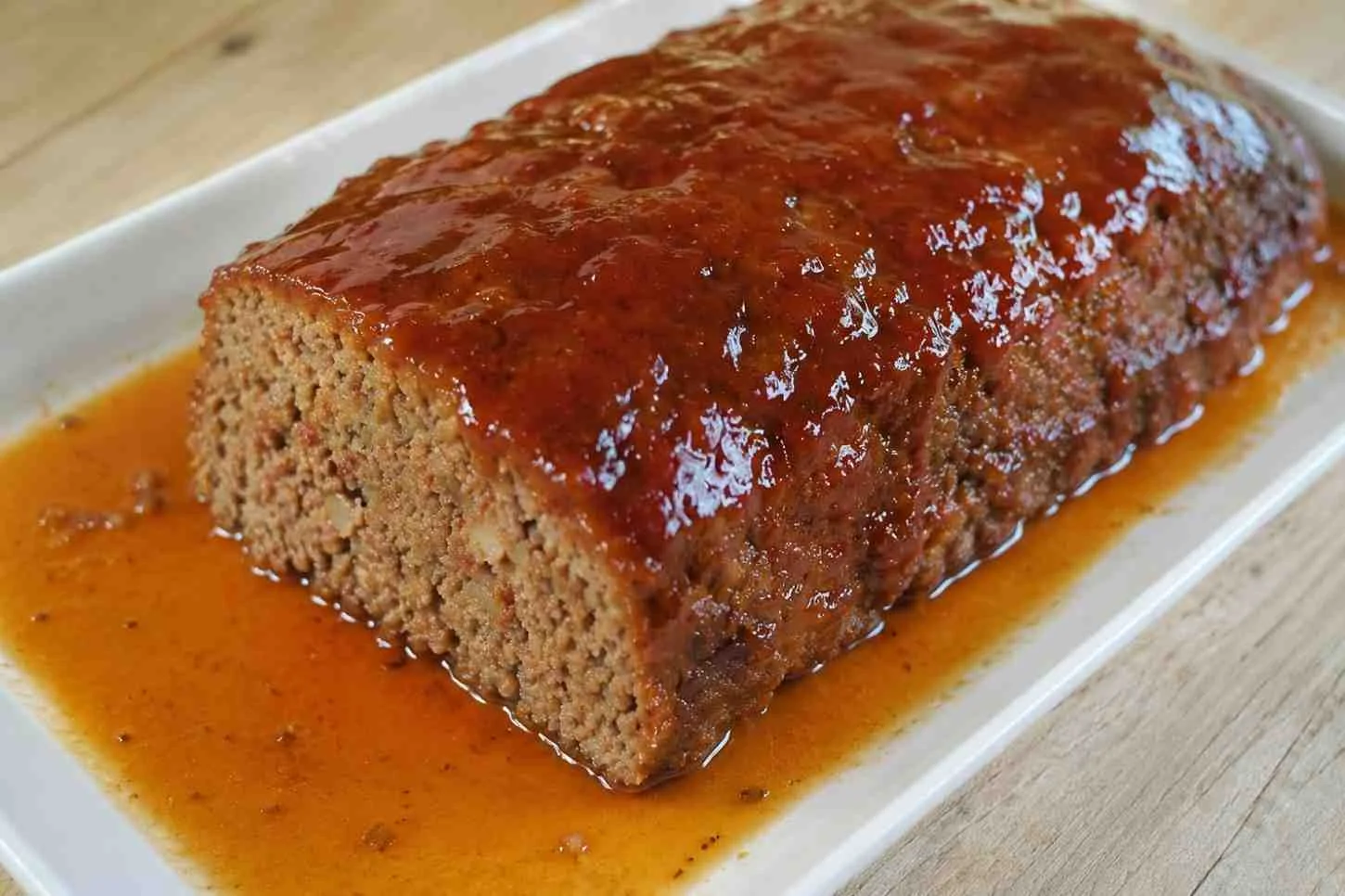
Why Meatloaf Glaze Gets Watery During Baking
One of the biggest reasons meatloaf glaze becomes watery is excess moisture from ingredients. Ketchup, mustard, Worcestershire sauce, vinegar, and even the meat itself release liquid while baking. If the glaze does not contain enough thickening structure, the heat loosens the sauce and prevents proper caramelization.
Another common issue is applying too much glaze too early in the baking process. As the meatloaf cooks, fat and steam rise to the surface and mix with the glaze, thinning it further.
Low simmer time before using the glaze can also create consistency problems. Many homemade meatloaf sauces taste balanced before baking but remain too loose because the ingredients were never reduced properly.
Common Ingredient Mistakes That Cause Watery Meatloaf Glaze
Using Too Much Ketchup
Ketchup is one of the main ingredients in classic meatloaf glaze, but using too much can increase moisture content significantly. Thin ketchup varieties especially tend to break down during baking.
Adding tomato paste alongside ketchup creates better thickness and stronger tomato flavor.
Too Much Vinegar or Worcestershire Sauce
Acidic ingredients help balance sweetness, but excess liquid can weaken glaze structure. Apple cider vinegar, white vinegar, and Worcestershire sauce should support the glaze rather than dominate the consistency.
Balanced ratios create better caramelization and help the glaze cling to the meatloaf surface.
Not Enough Sugar
Sugar plays a major role in sticky meatloaf glaze texture. Brown sugar, honey, and maple syrup all help thicken the glaze as they heat and caramelize.
Without enough sugar structure, the glaze stays thin and watery instead of glossy and rich.
Thin BBQ Sauce
Many store-bought BBQ sauces contain high water content. Thin sauces often separate during baking and create loose texture instead of sticky glaze coating.
Using thicker smoky BBQ sauce varieties usually produces better results.
How Meatloaf Moisture Affects Glaze Texture
Meatloaf naturally releases moisture while cooking. Ground beef, turkey, pork, onions, breadcrumbs, eggs, and milk all contribute liquid during baking.
If the glaze is already thin before baking, those extra juices can dilute it even further.
Turkey meatloaf especially tends to release more moisture because lean poultry lacks the fat structure found in beef blends.
Proper glaze timing helps reduce this problem significantly.
When to Add Glaze to Meatloaf
Applying glaze too early is one of the most common meatloaf glaze mistakes.
The best method is usually:
Bake the meatloaf partially first
Drain excess grease if necessary
Add glaze during the final 15–20 minutes
Apply a second thin layer near the end if needed
This allows the glaze to caramelize instead of mixing with early-stage moisture from the meat.
Layered glazing creates thicker texture and shinier finish.
How to Fix Watery Meatloaf Glaze
Simmer the Glaze Before Baking
One of the easiest ways to thicken meatloaf glaze is simmering it before applying.
Heat the sauce over medium-low heat for 5–8 minutes while stirring occasionally. This reduces excess moisture and concentrates flavor naturally.
The glaze should lightly coat the back of a spoon before being added to the meatloaf.
Add Tomato Paste
Tomato paste thickens glaze quickly without overpowering flavor. Even 1–2 teaspoons can noticeably improve texture.
It also deepens tomato richness and strengthens caramelization during baking.
Increase Brown Sugar or Honey
Brown sugar and honey naturally create sticky glaze texture when heated.
Adding a small amount improves:
Thickness
Shine
Caramelization
Surface coating
Dark brown sugar often creates richer flavor because of its molasses content.
Use Multiple Thin Layers
One thick coating often slides off during baking. Thin layers perform much better because each layer partially sets before the next one is applied.
This technique creates the glossy diner-style meatloaf finish many people want.
How to Prevent Watery Meatloaf Glaze
Preventing watery glaze usually comes down to balance and timing.
A good meatloaf glaze should contain:
Tomato structure
Sweetness for caramelization
Acidity for flavor balance
Limited excess liquid
Applying the glaze later in the baking process also prevents moisture dilution from meat juices.
Using thicker sauce consistency from the start creates better results overall.
Best Texture for Meatloaf Glaze
The ideal meatloaf glaze should be:
Thick enough to cling to the meat
Smooth enough to spread easily
Glossy after baking
Slightly sticky after caramelization
If the glaze runs off the spoon like liquid, it will likely become watery during baking.
A proper glaze should slowly drip rather than pour quickly.
Common Meatloaf Glaze Mistakes
Overloading the Glaze
Too many liquid ingredients weaken consistency and create separation during baking.
Skipping Simmer Time
Freshly mixed sauces often taste good but remain too loose structurally.
Applying Heavy Layers
Thick coatings trap steam and prevent proper caramelization.
Ignoring Meat Grease
Excess fat in the pan can mix with glaze and thin it out quickly.
FAQs
Why does my meatloaf glaze slide off?
This usually happens when the glaze is too thin or applied too early before the meatloaf finishes releasing moisture.
How do I thicken watery meatloaf glaze?
Simmering the glaze, adding tomato paste, or increasing brown sugar are the most effective methods.
Can ketchup make meatloaf glaze watery?
Yes. Thin ketchup varieties contain high moisture and may loosen during baking.
Should glaze be thick before baking?
Yes. The glaze should already have medium-thick consistency before going into the oven.
When should I add glaze to meatloaf?
The best time is usually during the final 15–20 minutes of baking for better caramelization and less moisture separation.
Conclusion
Understanding why meatloaf glaze gets watery makes it much easier to create thick, sticky, caramelized topping every time. Most glaze problems come from excess liquid, poor timing, or lack of structure from ingredients like tomato paste and brown sugar. By simmering the glaze properly, applying it in layers, and balancing sweetness with acidity carefully, you can create a meatloaf glaze that stays glossy, flavorful, and perfectly coated throughout baking.