
Few things are more disappointing than spending time preparing a homemade meatloaf only to slice into a dry, crumbly center. If you’ve been wondering how to keep meatloaf moist, the solution is usually much simpler than most people think. Moist meatloaf depends on balancing fat content, moisture-rich ingredients, binders, and cooking temperature correctly. When these elements work together, the result is a juicy, tender meatloaf that stays flavorful from the first slice to the leftovers the next day.
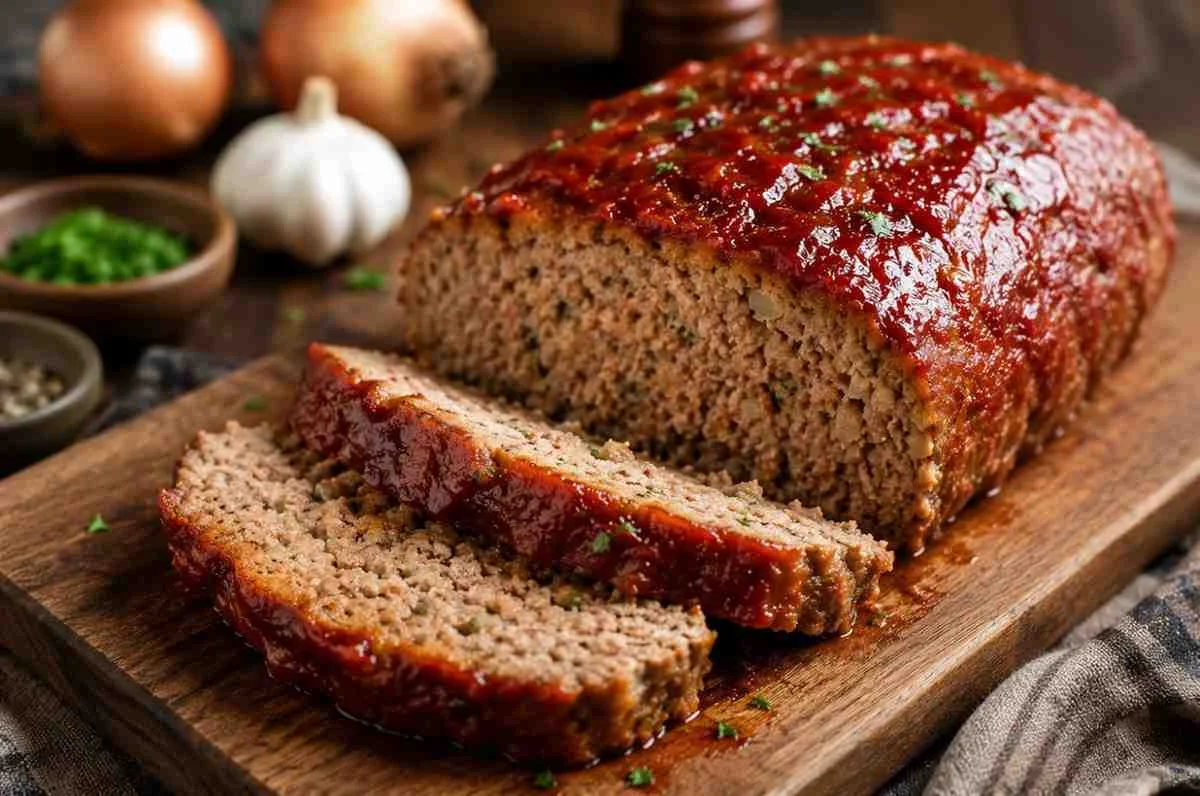
How to Keep Meatloaf Moist: (Secret 1)
If you’re looking for the fastest answer, follow these simple rules:
1: Use ground beef with an 80/20 fat ratio.
2: Soak breadcrumbs in milk before mixing.
3: Add onions or other moisture-rich vegetables.
4: Use eggs to help retain moisture.
5: Mix the meat gently and avoid overworking it.
6: Bake at 350°F (175°C).
7: Remove the meatloaf when it reaches 160°F internally.
8: Let it rest for 10–15 minutes before slicing.
These eight steps solve most moisture problems and consistently produce a juicy meatloaf.
Ingredients That Help Keep Meatloaf Moist
Certain ingredients play a direct role in moisture retention. While recipes vary, most successful meatloaf recipes contain a combination of the following:
1: Ground beef (80/20 preferred)
2: Breadcrumbs or soft bread crumbs
3: Milk or beef broth
4: Eggs
5: Finely diced onions
6: Worcestershire sauce
7: Ketchup or tomato sauce
8: Optional grated zucchini, carrots, or mushrooms
Each ingredient contributes moisture, structure, flavor, or tenderness. Removing too many of these components often results in a dry final product.
How to Keep Meatloaf Moist (Secret 2)
Step 1: Start With the Right Ground Meat
One of the biggest mistakes people make when learning how to keep meatloaf moist is choosing meat that is too lean. While lean beef may seem healthier, it contains less fat to lubricate the meat during cooking.
Ground beef with an 80/20 ratio provides enough fat to create a juicy texture without becoming greasy. The fat slowly melts while baking, helping the meat stay tender and flavorful. Many cooks also combine beef and pork because pork contributes additional moisture and softness.
If you’re making turkey meatloaf, adding extra moisture-rich ingredients becomes especially important because turkey naturally contains less fat than beef.
Step 2: Make a Panade Before Mixing
Professional cooks frequently use a panade because it is one of the most effective techniques for how to keep meatloaf moist.
A panade is simply breadcrumbs mixed with milk or broth before being added to the meat. Instead of absorbing moisture from the meat during cooking, the breadcrumbs absorb liquid beforehand and help hold that moisture inside the loaf.
For every pound of ground beef, a reliable ratio is:
1: ½ cup breadcrumbs
2: ½ cup milk or broth
3: 1 large egg
Allow the breadcrumbs to soak for about five minutes before combining them with the meat mixture.
Step 3: Add Moisture-Rich Ingredients
Many home cooks overlook ingredients that naturally release moisture while cooking. These ingredients not only improve texture but also add flavor throughout the loaf.
Finely diced onions are among the best additions because they release water gradually as they cook. Mushrooms contribute both moisture and rich savory flavor. Grated zucchini and carrots also work exceptionally well because they blend into the meat mixture while increasing tenderness.
Even a small amount of these vegetables can make a noticeable difference in the final texture of your meatloaf.
Step 4: Mix Gently
One of the simplest secrets behind how to keep meatloaf moist is handling the meat carefully.
Overmixing causes proteins to tighten and compact together. As a result, the meatloaf becomes dense and loses moisture more quickly during baking.
Mix the ingredients only until evenly combined. The mixture should remain somewhat loose rather than tightly packed. Using your hands often works best because it allows gentle mixing without overworking the meat.
Step 5: Cook at a Moderate Temperature
Cooking temperature has a major impact on moisture retention.
Many people assume higher temperatures cook faster and therefore better, but excessive heat can force moisture out of the meat before the center finishes cooking. Baking at 350°F (175°C) allows the meatloaf to cook evenly while retaining more of its natural juices.
A moderate temperature also helps create a tender interior while preventing the outside from becoming tough or overly dry.
Moisture Structure
A moist meatloaf depends on four key elements working together: fat, liquid, binders, and temperature control.
Fat contributes richness and tenderness. Liquids such as milk and broth provide hydration. Binders like eggs and breadcrumbs help trap moisture within the loaf. Temperature control minimizes evaporation during cooking.
When one of these components is missing, the balance shifts and dryness becomes much more likely. Understanding this relationship makes it easier to troubleshoot any meatloaf recipe and adjust it for better results.
Fat Content Science
Fat is often misunderstood when discussing how to keep meatloaf moist. While excessive fat can make meatloaf greasy, moderate fat levels are essential for maintaining tenderness.
As the meat cooks, fat slowly melts and coats surrounding meat fibers. This creates lubrication throughout the loaf and improves mouthfeel. Fat also carries flavor compounds, making the meatloaf taste richer and more satisfying.
This is why extremely lean beef often produces meatloaf that feels dry even when it has not technically lost all of its moisture.
Why the Panade Works So Well
The panade is more than a simple mixture of milk and breadcrumbs. It functions as a moisture-retention system throughout the cooking process.
The starches inside the breadcrumbs absorb liquid and create a gel-like structure. During baking, this structure slows moisture loss and prevents the meat proteins from tightening excessively.
As a result, the meatloaf remains softer and more tender. Many chefs consider the panade one of the most important techniques for consistently moist meatloaf.
Lean Meat vs Fatty Meat
Choosing between lean and fatty meat can dramatically change the final texture of your meatloaf.
Lean meat produces a lighter result but loses moisture more quickly. Fatty meat retains more juiciness because melted fat helps replace moisture lost during cooking.
Many cooks find the best compromise by using 80/20 beef. This approach provides enough richness to maintain tenderness without making the loaf overly greasy.
The goal is balance rather than maximizing or minimizing fat content.
Temperature Control and Moisture Retention
Even a perfectly prepared meatloaf can become dry if overcooked.
Using a meat thermometer is the easiest way to avoid this problem. Beef meatloaf should be removed from the oven once it reaches an internal temperature of 160°F (71°C). Turkey meatloaf should reach 165°F (74°C).
Cooking beyond these temperatures provides little benefit while increasing moisture loss significantly.
Monitoring temperature closely is one of the most reliable ways to master how to keep meatloaf moist every time.
Resting Period Science
Many people skip the resting period because they want to serve dinner immediately. Unfortunately, cutting into meatloaf too soon can release a large amount of moisture.
While the meatloaf rests, juices redistribute throughout the loaf rather than remaining concentrated in the center. This creates a more consistent texture and prevents moisture from running onto the cutting board.
Allowing the meatloaf to rest for 10 to 15 minutes often results in noticeably juicier slices.
Cooking Tips
1: Use 80/20 ground beef whenever possible.
2: Soak breadcrumbs before mixing.
3: Add onions or grated vegetables for extra moisture.
4: Mix ingredients gently.
5: Bake at 350°F instead of higher temperatures.
6: Use a meat thermometer rather than relying on time alone.
7: Apply meatloaf glaze during the final stages of cooking for better moisture retention.
8: Rest the meatloaf before slicing.
Common Mistakes to Avoid
Applying the right techniques is important, but avoiding common mistakes matters just as much.
1: Using extra-lean meat without additional moisture sources.
2: Adding dry breadcrumbs directly to the mixture.
3: Overmixing the ingredients.
4: Packing the loaf too tightly.
5: Baking at excessively high temperatures.
6: Cooking well beyond the recommended internal temperature.
7: Slicing immediately after removing from the oven.
Correcting just one or two of these mistakes can dramatically improve the final result.
Frequently Asked Questions
Why Is My Meatloaf Dry Even Though I Followed the Recipe?
Most often, the problem is overcooking. Oven temperatures vary, and relying solely on baking time can lead to dryness. A meat thermometer provides much more accurate results.
Does Milk Really Help Keep Meatloaf Moist?
Yes. Milk hydrates the breadcrumbs and helps create a panade, which improves moisture retention throughout cooking.
Can I Keep Meatloaf Moist Without Breadcrumbs?
Yes. Crushed crackers, oats, cooked rice, or soft bread can perform a similar function when combined with liquid.
Should Meatloaf Be Covered While Baking?
Generally, no. However, if the surface begins browning too quickly, loosely covering it with foil can help reduce moisture loss.
Why Is My Meatloaf Dry but Still Greasy?
This usually occurs when fat separates from the meat mixture during cooking. Excessive heat or poor ingredient balance can cause moisture to evaporate while fat remains.
Can I Make Meatloaf Ahead of Time?
Yes. Preparing the mixture several hours ahead of baking often improves flavor. Simply refrigerate the assembled loaf and bake when ready.
Conclusion
Understanding how to keep meatloaf moist is ultimately about controlling moisture from start to finish. Choosing beef with adequate fat content, creating a proper panade, incorporating moisture-rich ingredients, mixing gently, monitoring temperature carefully, and allowing the loaf to rest all contribute to a juicier final result. When these techniques are combined, meatloaf develops a tender texture, rich flavor, and satisfying moisture that remains enjoyable even as leftovers. Once you understand how fat, hydration, binders, and temperature work together, consistently making moist homemade meatloaf becomes much easier.