
If you love Mexican food with a little or a lot of heat this Mexican hot sauce recipe is an easy way to make a fresh, flavorful sauce at home. Made with fresh chiles, garlic, vinegar, salt, and a few simple ingredients, homemade hot sauce gives you control over the heat, acidity, texture, and overall flavor. If you enjoy exploring different flavors to serve with Mexican dishes, check out our guide to Mexican sauces and toppings.
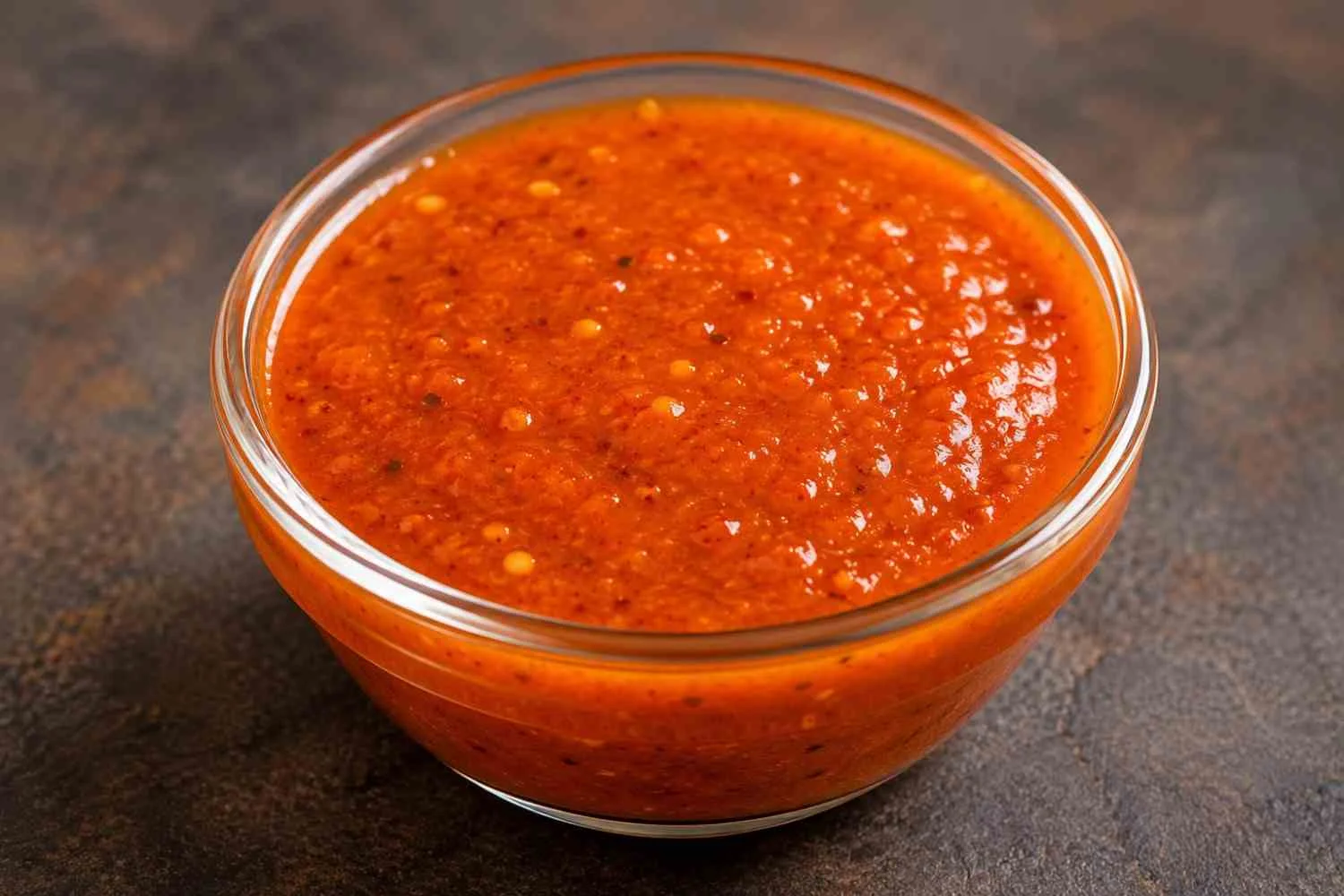
Ingredients
For a versatile homemade Mexican hot sauce, you’ll need:
- 8–10 fresh chiles such as jalapeños, serranos, or a combination
- 2 garlic cloves
- ½ cup white vinegar
- ½ cup water
- ½ teaspoon salt, or to taste
- 1 tablespoon lime juice
- ½ teaspoon sugar, optional
- ¼ small onion, optional
- 1 tablespoon vegetable oil, optional
The exact quantities don’t need to be treated as rigid rules. Hot sauce is highly customizable, and you can adjust the ingredients after blending.

Why These Ingredients Work
Fresh peppers provide heat, aroma, color, and the main flavor.
Garlic adds savory depth.
Vinegar provides acidity and helps create the familiar tang associated with many hot sauces.
Lime juice adds a fresh citrus note.
Salt enhances the flavor of the peppers and other ingredients.
Sugar isn’t essential, but a small amount can soften excessive bitterness or sharp acidity.
Water allows you to control the final consistency.
Choosing the Right Chile
The chile you choose has a major impact on the finished sauce.

Jalapeños
Jalapeños are a good choice for a mild-to-medium hot sauce. They have a fresh, slightly grassy flavor and are easy to find.
Serranos
Serranos are generally hotter than jalapeños and have a bright, fresh flavor. They’re excellent when you want a sauce with noticeable heat without going straight to extremely hot peppers.
Fresno Chiles
Fresno chiles provide a beautiful red color with a fruity, moderately spicy flavor. They’re particularly good when you want a vibrant red sauce.

Habaneros
Habaneros bring considerably more heat along with a fruity, aromatic flavor. Use them carefully if you’re not accustomed to very spicy food.
A Chile Combination
You don’t have to use only one type.
Combining peppers can create a more interesting sauce. For example, use jalapeños for body and freshness, serranos for additional heat, and a small amount of habanero for fruity intensity.
Tip: If you’re unsure about heat, start milder. You can always increase the heat later, but removing it is much more difficult.
Ingredient Substitutions
One of the advantages of homemade hot sauce is flexibility.
No White Vinegar?
You can substitute apple cider vinegar for a slightly fruitier flavor.

No Lime?
Use additional vinegar, although the sauce will lose some of the fresh citrus character.
No Fresh Garlic?
Garlic powder can work in a pinch, but fresh garlic generally provides a brighter flavor.
Want a Sweeter Sauce?
Add a small amount of sugar or honey.

Want More Body?
Add a little onion or use roasted peppers.
Want Less Heat?
Replace some of the hot chiles with milder peppers.
Remember that substitutions can change both flavor and texture, so adjust gradually.
Preparing the Peppers
Start by washing the peppers thoroughly and drying them.
Remove the stems.
Whether you remove the seeds and membranes depends on your desired result.
The seeds themselves aren’t the primary source of capsaicin. The white internal membranes and surrounding tissues contain much of the pepper’s heat.
For a milder sauce, remove the membranes and seeds.
For a hotter sauce, leave more of the interior intact.

Important Safety Tip
Capsaicin can remain on your hands and transfer to your eyes, nose, mouth, or other sensitive areas.
Wear food-safe gloves when handling large quantities of hot peppers, especially very spicy varieties.
Wash knives, cutting boards, and hands thoroughly after preparation.

Making the Sauce
Once your peppers are prepared, the process is straightforward.
Step 1: Chop the Ingredients
Roughly chop the peppers, garlic, and onion if you’re using it.
There’s no need to make perfect pieces because everything will be blended later.

Step 2: Cook the Peppers
Add the peppers, garlic, vinegar, water, and salt to a saucepan.
Bring the mixture to a gentle simmer.
Cook until the peppers have softened.
Cooking time will vary depending on the pepper size and quantity, but the goal is simply to soften the ingredients rather than aggressively boil them.

Step 3: Blend
Transfer the mixture carefully to a blender.
Blend until smooth.
Add a little more water if necessary to help the mixture move through the blender.

Step 4: Add Lime Juice
Add fresh lime juice after blending and taste.
The acidity should brighten the sauce without completely overpowering the pepper flavor.

Step 5: Adjust
Taste carefully and adjust:
- Salt
- Vinegar
- Lime juice
- Water
- Sugar
- Heat
Make small adjustments rather than adding large quantities at once.
Step 6: Strain if Desired
For a very smooth sauce, pour the blended mixture through a fine-mesh strainer.
For a thicker, more rustic sauce, leave it unstrained.

Roasting vs Fresh Peppers
You can make excellent Mexican-style hot sauce with either fresh or roasted peppers.
Fresh Peppers
Fresh peppers create a sauce with:
- Bright flavor
- Fresh chile aroma
- Crisp acidity
- Lighter, more vibrant character
This approach works particularly well when you want a clean, fresh-tasting table sauce.
Roasted Peppers
Roasting changes the flavor significantly.

It can add:
- Smoky notes
- Deeper sweetness
- More complex flavor
- Slightly softer texture
To roast peppers, place them under a broiler, on a grill, or in another suitable high-heat cooking environment until they develop charred spots and soften.
Let them cool enough to handle before processing.
Which Is Better?
Neither is universally better.
Choose fresh peppers for a bright sauce.
Choose roasted peppers for deeper, richer flavor.
You can also combine roasted and fresh peppers to create more complexity.
Balancing Heat, Acid & Salt
This is where an ordinary hot sauce becomes a great one.
A delicious sauce isn’t necessarily the hottest sauce.
It should have balance.
Heat
The peppers provide the primary heat.
If the sauce is too hot, dilute it with additional mild peppers, water, or other ingredients rather than simply adding more vinegar.
Acid
Vinegar and lime juice provide acidity.
Acid makes the sauce taste brighter and can cut through rich foods.
But too much acid can make the sauce taste harsh.

Salt
Salt brings the flavors together.
If the sauce tastes flat even though it contains plenty of peppers and acid, it may simply need a small amount of additional salt.
Add gradually.
Sweetness
A tiny amount of sugar can soften an overly sharp sauce.
You don’t want the finished product to taste sweet unless that’s your intention.
The Goal
Think of the finished sauce as a balance between:
Pepper + Heat + Acid + Salt + Aroma
Taste after every adjustment.
Adjusting Thickness
The consistency of hot sauce is completely up to you.
Too Thick?
Add water a tablespoon at a time and blend again.
You can also add a little additional vinegar if you want more acidity.
Too Thin?
Simmer the sauce gently for a few minutes to reduce some of the liquid.
Alternatively, blend in additional peppers or other solid ingredients.
Avoid adding large amounts of thickener unless you specifically want that type of sauce.
Smooth or Chunky?
For a restaurant-style pourable sauce, blend thoroughly and strain.
For a more rustic homemade sauce, leave some texture.
Mild Version
Want all the flavor without overwhelming heat?
Use mostly mild peppers such as jalapeños and remove the membranes.
You can also replace some of the jalapeños with a sweet bell pepper.
A mild version works especially well with:
- Eggs
- Tacos
- Burritos
- Quesadillas
- Rice
- Grilled chicken
- Breakfast potatoes
The key is to preserve the chile flavor while reducing the amount of intense heat.
Hot Version
For serious chile lovers, increase the proportion of hotter peppers.
Serranos can increase the heat while keeping the sauce relatively fresh and bright.
Habaneros can add substantially more heat along with fruity flavor.
If you use very hot chiles, work carefully and taste cautiously.
Don’t judge the final heat immediately after adding one extremely hot pepper. A small quantity can have a major effect.
A good approach is to build the sauce gradually:
Mild pepper → medium chile → hot chile
This gives you more control over the finished sauce.
Serving Ideas
Homemade Mexican hot sauce is incredibly versatile.
Try it with:
Tacos
Drizzle over carne asada, chicken, fish, vegetables, or bean tacos. Hot sauce on tacos is especially good with carne asada, chicken, fish, vegetables, or bean tacos.
Eggs
Add a few drops to scrambled eggs, omelets, huevos rancheros, or breakfast burritos.
Burritos
A spoonful of hot sauce can brighten rich fillings such as beans, rice, cheese, and meat.
Quesadillas
The acidity and heat pair especially well with melted cheese.
Grilled Meat
Serve alongside grilled chicken, steak, pork, or seafood.
Vegetables
Roasted potatoes, corn, avocado, and grilled vegetables all work beautifully with spicy sauce.
Rice & Beans
A little hot sauce can transform simple rice and beans into a much more flavorful meal.
Snacks
Try it on nachos, tortilla chips, or avocado toast.
Storage
Because homemade hot sauce contains fresh ingredients and doesn’t automatically have the controlled acidity and processing conditions of a commercially manufactured product, don’t assume it is shelf-stable simply because it contains vinegar.
For a homemade sauce, refrigerate it in a clean, airtight container.
Allow the sauce to cool appropriately before refrigerating.
Use clean utensils when serving, and watch for changes in:
- Smell
- Color
- Texture
- Mold
- Fermentation
- Gas or pressure
If anything appears spoiled or unusual, discard the sauce.
How Long Does Homemade Hot Sauce Last?
Storage life depends on the recipe, acidity, preparation method, ingredients, and refrigeration conditions.
For a homemade sauce that has not been professionally tested or processed for shelf stability, refrigeration is the safer approach.
If you want to make hot sauce for long-term room-temperature storage, follow a tested preservation recipe and appropriate food-safety process rather than relying on guesswork.
Troubleshooting
My Hot Sauce Is Too Spicy
Add more mild peppers or increase the other ingredients to dilute the heat.
A little additional acidity or sweetness may make the heat feel more balanced, but simply adding vinegar won’t magically remove the capsaicin.
My Sauce Is Too Sour
Add a small amount of sugar and additional pepper or water.
Adjust gradually.
My Sauce Tastes Bland
Try a small amount of additional salt.
You may also need more garlic, chile, or lime depending on the flavor you’re trying to achieve.
My Sauce Is Too Thick
Blend in water gradually until you reach your preferred consistency.
My Sauce Is Too Thin
Simmer gently to reduce the liquid or blend in additional peppers.
My Sauce Is Bitter
Excessive charring, too many seeds or membranes, or certain pepper varieties can contribute to bitterness.
Balance with additional ingredients and avoid burning the peppers during roasting.
My Sauce Isn’t Red Enough
The final color depends heavily on the peppers you use.
Red Fresno chiles, red jalapeños, and other ripe red peppers can produce a more vibrant sauce.
My Sauce Is Too Salty
Increase the amount of unsalted ingredients to dilute the saltiness.
Adding more peppers or water can help, depending on the desired final consistency.
FAQs
What is Mexican hot sauce made of?
Mexican-style hot sauce can be made from many different combinations of chiles, vinegar or another acidic ingredient, garlic, salt, and sometimes onion, lime, herbs, or other ingredients. Recipes vary considerably by region and style.
What is the best pepper for Mexican hot sauce?
There isn’t one universally best pepper. Jalapeños are excellent for a mild-to-medium sauce, serranos provide more heat, and habaneros deliver much stronger heat with a fruity flavor.
Should I remove seeds from peppers for hot sauce?
You can remove them if you want a milder sauce or a smoother texture. The white membranes and internal tissues are more significant sources of capsaicin than the seeds themselves.
Is Mexican hot sauce supposed to be spicy?
It can be, but “Mexican hot sauce” doesn’t automatically mean extremely hot. The heat level depends on the peppers used.
Can I use dried chiles?
Yes. Dried chiles are widely used in Mexican cooking and can create sauces with deeper, more concentrated flavors. You’ll generally need to rehydrate them before blending.
Can I make hot sauce without vinegar?
Yes, but vinegar provides acidity and is a defining component of many hot sauces. Lime juice and other acidic ingredients can be used depending on the style and intended storage.
Can I use roasted garlic?
Absolutely. Roasted garlic creates a sweeter, deeper flavor than raw garlic and works particularly well in roasted-pepper sauces.
Do I need to strain homemade hot sauce?
No. Straining is optional. Strain it for a smoother, thinner sauce or leave it unstrained for more texture and body.
How can I make homemade hot sauce less spicy?
Use milder peppers, remove the internal membranes, and dilute the hot peppers with additional mild peppers or other ingredients.
How can I make hot sauce hotter?
Use hotter chile varieties or increase the proportion of hot peppers. Add heat gradually because it is much easier to make a sauce hotter than to correct one that has become excessively spicy.
Can I freeze homemade hot sauce?
Many homemade sauces can be frozen, although texture may change slightly after thawing. Freeze in suitable airtight containers with room for expansion.
Why does my homemade hot sauce separate?
Separation is normal in many homemade sauces because the ingredients haven’t been commercially emulsified. Shake or stir before serving.
Make It Your Own
The beauty of a homemade Mexican hot sauce recipe is that there isn’t just one correct version.
Start with a simple combination of fresh chiles, garlic, vinegar, salt, and lime. Then adjust it to your taste.
Want it brighter?
Add lime.
Want it hotter?
Add serranos or habaneros.
Want it sweeter and deeper?
Roast the peppers.
Want it milder?
Use more jalapeños or sweet peppers.
Want it smoother?
Blend longer and strain.
Want it thicker?
Use less liquid or reduce the sauce gently.
The best homemade hot sauce is ultimately the one that makes your food taste better.
Final Thoughts
This Mexican Hot Sauce Recipe is a simple starting point for creating your own homemade chile sauce. With fresh peppers, garlic, vinegar, lime, and salt, you can create a bright, spicy condiment that works with tacos, eggs, grilled meats, vegetables, rice, beans, and countless other dishes.
Start with a manageable level of heat, taste as you go, and make small adjustments.
Once you’ve made your first batch, you’ll quickly discover how easy it is to create different versions using different peppers and preparation methods.
Fresh peppers for brightness. Roasted peppers for depth. Mild chiles for everyday heat. Hot chiles when you want a serious kick.
Make the recipe your own and keep a bottle in the refrigerator for whenever your meal needs a little extra fire.