
A homemade burger sauce can take any burger from ordinary to restaurant quality, but even simple recipes can go wrong if a few important details are overlooked. Many of the most common burger sauce mistakes happen during mixing, seasoning, or storage rather than the recipe itself. Learning how to avoid these sauce mistakes helps create a sauce with the right texture, balanced flavor, and consistent quality every time. Whether you’re making a classic burger sauce, garlic burger sauce, BBQ burger sauce, or smash burger sauce, understanding these mistakes will improve every batch.
Why Common Burger Sauce Mistakes Matter
Burger sauce is more than just a condiment. It brings together the burger patty, bun, cheese, vegetables, and toppings into one balanced bite. Even small preparation errors can make a sauce taste overly sweet, too acidic, watery, bland, or overpowering.
During recipe testing, small adjustments often made a much bigger difference than adding more ingredients. The most successful sauces focused on balance rather than complexity. Avoiding these common burger sauce mistakes allows every ingredient to work together instead of competing for attention.
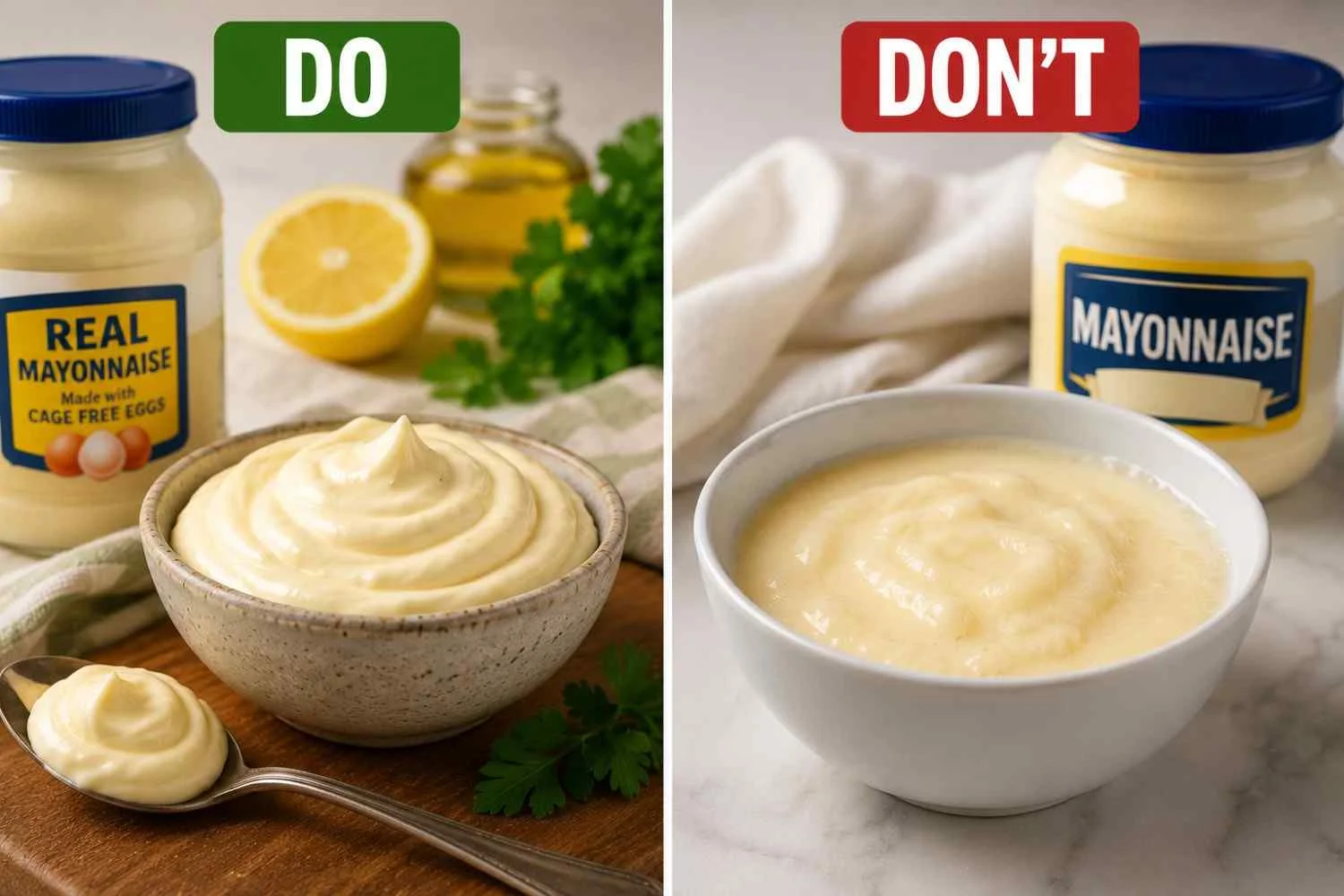
1. Using Low-Quality Mayonnaise
Mayonnaise forms the foundation of most burger sauces.
Using a low-quality mayonnaise often produces a thinner texture and flatter flavor. Since it makes up the largest portion of the recipe, its quality directly affects the finished sauce.
Choose a rich, full-flavored mayonnaise for better consistency and mouthfeel.
2. Adding Too Much Ketchup
Ketchup provides sweetness and tomato flavor, but too much quickly dominates the sauce.
One of the most common burger sauce mistakes is assuming more ketchup automatically creates better flavor. Instead, excessive ketchup often masks the mustard, garlic, onion, and spices.
The sauce should taste balanced rather than resembling plain ketchup.

3. Overusing Mustard
Mustard provides brightness and acidity, but large amounts can overpower every other ingredient.
A properly balanced burger sauce should allow mustard to support the flavor rather than dominate it. Taste after mixing and increase mustard gradually if needed.
4. Ignoring Flavor Balance
One of the biggest common burger sauce mistakes is focusing on only one flavor.
Great burger sauce combines several flavor elements together:
- Creaminess
- Tanginess
- Mild sweetness
- Savory depth
- Acidity
If one element becomes too strong, the sauce loses balance.
Professional kitchens often make small adjustments rather than large changes because even half a teaspoon can noticeably affect the final flavor.

5. Skipping Fresh Acid
Fresh lemon juice or vinegar helps brighten rich ingredients.
Without acidity, burger sauce often tastes heavy or flat.
Fresh lemon juice generally provides a cleaner flavor than bottled alternatives.
6. Adding Too Many Seasonings
More spices do not necessarily create better burger sauce.
Garlic powder, onion powder, paprika, black pepper, Worcestershire sauce, and herbs all contribute flavor, but adding too many at once often creates a confusing taste.
One of the easiest common burger sauce mistakes to avoid is allowing the base ingredients to remain the focus.
7. Not Tasting Before Serving
Many people mix the sauce and immediately serve it.
Instead, taste the sauce before chilling and again after refrigeration.
During recipe testing, the flavor often changed noticeably after resting because the ingredients blended together more completely.
Making final adjustments after chilling consistently produced better results.
8. Skipping Refrigeration
Freshly mixed burger sauce rarely reaches its full potential immediately.
Allowing the sauce to rest for at least 20 to 30 minutes gives the garlic, mustard, herbs, and seasonings time to blend together.
One of the most overlooked common burger sauce mistakes is serving the sauce immediately after mixing.
9. Using Thin Ingredients
Runny mayonnaise, thin yogurt, or watery relish can produce an overly loose sauce.
For thicker consistency:
- Use full-fat mayonnaise
- Choose Greek yogurt instead of regular yogurt
- Drain excess liquid from relish if necessary
The right texture allows burger sauce to stay on the burger instead of running onto the plate.
10. Forgetting Texture Matters
Texture is just as important as flavor.
Burger sauce should be creamy enough to spread easily while remaining thick enough to stay inside the burger.
If the sauce becomes too thin, the burger can quickly become messy.
If it’s too thick, it may not spread evenly.
Finding this balance is one of the keys to avoiding common burger sauce mistakes.
11. Using Old Herbs
Fresh herbs provide brighter flavor than dried herbs in most burger sauce recipes.
Parsley, dill, chives, and cilantro lose aroma as they age.
Using fresh herbs whenever possible helps produce a cleaner, fresher sauce.
If dried herbs are used, smaller quantities usually work best.
12. Adding Garlic Incorrectly
Garlic is one of the most important ingredients in many burger sauces.
Fresh garlic creates bold flavor, while garlic powder provides more subtle seasoning.
Adding too much fresh garlic can overpower the entire sauce, especially if it hasn’t had time to mellow during refrigeration.
Balancing garlic carefully is one of the easiest ways to improve homemade burger sauce.
13. Using the Same Sauce for Every Burger
One of the most common burger sauce mistakes is assuming every burger needs the same sauce.
Different burgers benefit from different flavor profiles.
Beef Burgers
Often pair well with richer sauces featuring ketchup, mustard, Worcestershire sauce, and pickle relish.
Chicken Burgers
Usually benefit from lighter sauces containing lemon juice, yogurt, herbs, or honey mustard.
Turkey Burgers
Fresh herbs and tangy sauces help balance lean turkey.
Veggie Burgers
Garlic, yogurt, avocado, or herb-based sauces often complement vegetables better than heavy ketchup-based sauces.
Matching the sauce to the burger creates a more balanced meal.
14. Poor Storage Practices
Proper storage helps preserve both texture and flavor.
Store burger sauce in a clean airtight container immediately after preparation.
Using dirty utensils repeatedly introduces moisture and food particles that reduce freshness.
Storing the sauce properly is one of the simplest ways to avoid common burger sauce mistakes over several days.
15. Never Customizing the Recipe
One advantage of homemade burger sauce is flexibility.
Many people follow recipes exactly without considering the burger they’re serving.
Small adjustments can significantly improve the final result.
Examples include:
- Extra garlic for grilled burgers
- More mustard for beef burgers
- Fresh herbs for turkey burgers
- Honey for crispy chicken burgers
- Smoked paprika for barbecue burgers
Learning to customize recipes based on the meal is one of the best ways to consistently make better burger sauce.
Expert Tips for Better Burger Sauce
Professional kitchens often rely on a few simple techniques rather than complicated ingredient lists.
Use high-quality mayonnaise as the foundation.
Balance sweetness with acidity instead of adding extra sugar.
Taste the sauce before and after chilling.
Allow the sauce to rest before serving.
Adjust ingredients gradually instead of making large changes.
These habits consistently produce smoother, more balanced burger sauces.
How to Fix Common Burger Sauce Mistakes
Fortunately, many mistakes can be corrected.
If the sauce is too sweet, add a little mustard or lemon juice.
If it becomes too tangy, increase the mayonnaise slightly.
If it’s too thick, add a small amount of pickle juice or lemon juice.
If it’s too thin, mix in additional mayonnaise or Greek yogurt.
Making small corrections instead of starting over often produces the best results.
FAQs
What is the most common burger sauce mistake?
Using too much ketchup or failing to balance sweetness with acidity are among the most common burger sauce mistakes.
Why does homemade burger sauce taste different from restaurant sauce?
Restaurant sauces often rest for several hours before serving, allowing the ingredients to blend together and create a smoother flavor.
How can I improve homemade burger sauce?
Use quality ingredients, balance flavors carefully, chill the sauce before serving, and make small adjustments after tasting.
Should burger sauce be refrigerated before serving?
Yes. Refrigerating the sauce for at least 20 to 30 minutes allows the ingredients to blend together and improves both flavor and texture.
Conclusion
Avoiding these common burger sauce mistakes is one of the easiest ways to make better homemade burger sauce. Paying attention to ingredient quality, flavor balance, texture, and proper storage creates a sauce that complements rather than overwhelms your burger. Whether you’re making a classic burger sauce, garlic burger sauce, BBQ burger sauce, or smash burger sauce, following these practical tips will help you achieve consistent, restaurant-quality results every time.