
A great turkey burger sauce recipe can make the difference between a dry, bland burger and a flavorful, restaurant-quality meal. Because turkey is naturally leaner than beef, it often needs extra moisture and flavor support to create a satisfying bite. The right sauce not only adds creaminess but also helps balance the mild flavor of turkey while complementing fresh toppings and toasted buns. Whether you’re making grilled turkey burgers, turkey sliders, lettuce-wrapped burgers, or healthy burger bowls, this homemade turkey burger sauce recipe provides the perfect finishing touch.
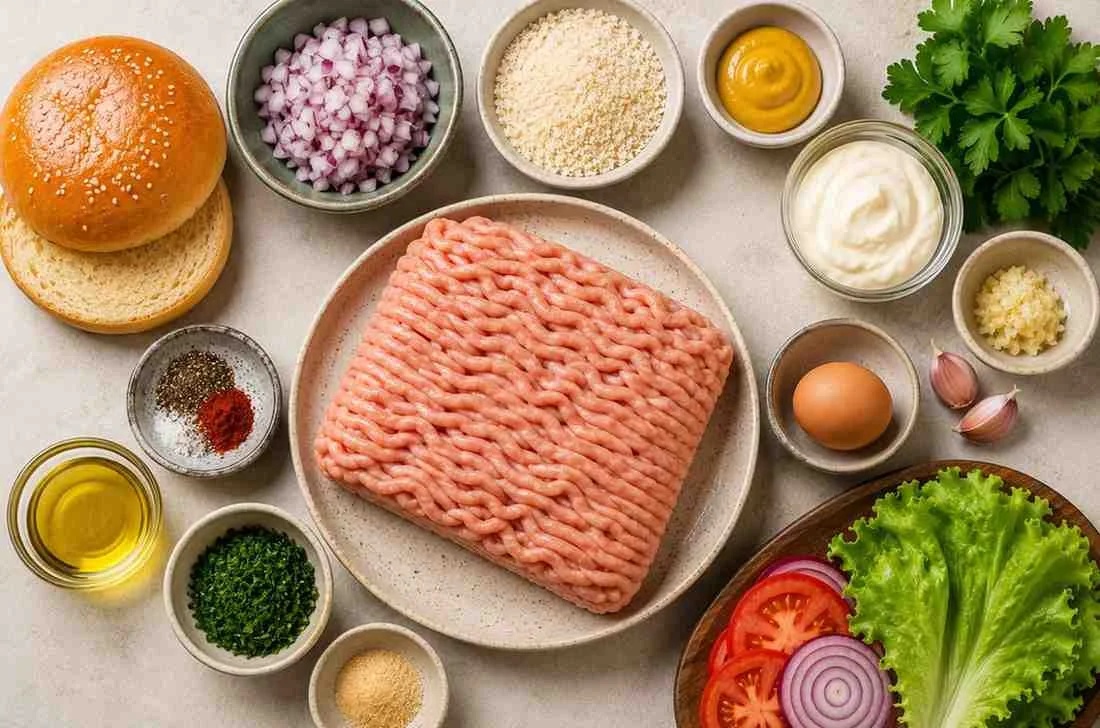
Turkey Burger Sauce Recipe
This turkey burger sauce recipe is creamy, fresh, and versatile enough for a wide variety of turkey burger styles.
Preparation Time: 5 minutes.
Cooking Time: 0 minutes.
Total Time: 5 minutes.
Ingredients
1: ½ cup mayonnaise
2: ¼ cup Greek yogurt
3: 1 tablespoon Dijon mustard
4: 1 tablespoon lemon juice
5: 1 teaspoon honey
6: ½ teaspoon garlic powder
7: ½ teaspoon onion powder
8: 1 tablespoon fresh parsley, finely chopped
9: 1 teaspoon fresh dill, chopped
10: ¼ teaspoon black pepper
11: ¼ teaspoon salt

How to Make Turkey Burger Sauce
Step 1: Combine the Base Ingredients
Add the mayonnaise, Greek yogurt, Dijon mustard, lemon juice, and honey to a medium mixing bowl.
Step 2: Add the Seasonings
Mix in the garlic powder, onion powder, parsley, dill, black pepper, and salt.
Step 3: Whisk Until Smooth
Whisk thoroughly until all ingredients are evenly distributed throughout the sauce.
The turkey burger sauce should appear creamy with small flecks of fresh herbs.
Step 4: Taste and Adjust
Taste before serving.
Adjust according to preference:
- More lemon juice for brightness
- More honey for sweetness
- More mustard for tanginess
- More herbs for freshness
Step 5: Refrigerate
Cover and refrigerate for at least 20 to 30 minutes before serving.
During recipe testing, chilling consistently improved flavor because the ingredients had time to blend together.
Why Turkey Burgers Need a Special Sauce
Turkey burgers differ significantly from beef burgers. Because turkey contains less fat, moisture becomes a much larger factor in the overall eating experience. While lean turkey can create a lighter burger, it can also become dry if not paired with the right toppings and condiments.
A well-balanced turkey burger sauce helps solve this problem by adding moisture and richness without making the burger feel heavy. The acidity from ingredients such as lemon juice and mustard also helps brighten the mild flavor of turkey. This is one reason many restaurant-style turkey burgers rely heavily on sauces and spreads to improve both flavor and texture.
The right sauce also helps connect every component of the burger. Instead of tasting the bun, turkey patty, vegetables, and cheese separately, the sauce brings everything together into one balanced bite.
What Makes a Good Turkey Burger Sauce?
The best turkey burger sauce usually combines four key elements.
Creaminess
Creamy ingredients such as mayonnaise and Greek yogurt provide moisture and richness.
Acidity
Lemon juice and mustard help brighten the burger and balance richer toppings.
Freshness
Herbs such as parsley and dill add freshness that complements turkey exceptionally well.
Mild Sweetness
A small amount of honey can soften acidity and create a more balanced flavor profile.
When these elements work together, the sauce enhances the turkey without overpowering it.
Best Sauces for Turkey Burgers
Turkey burgers are versatile enough to work with several different sauce styles.
Classic Turkey Burger Sauce
A classic turkey burger sauce combines mayonnaise, Greek yogurt, mustard, lemon juice, and herbs.
This style works particularly well because it balances moisture, tanginess, and freshness without introducing overly strong flavors. It remains one of the safest options for family meals because it pairs well with almost any topping combination.
Best pairings include:
- Traditional turkey burgers
- Turkey sliders
- Turkey sandwiches
- Meal prep burgers
Garlic Turkey Burger Sauce
Garlic adds savory depth while complementing the natural flavor of turkey.
Unlike beef burgers, which can sometimes overpower garlic, turkey allows garlic flavors to shine. Fresh garlic, roasted garlic, or garlic powder can all work well depending on the desired intensity.
Garlic-based turkey burger sauces pair particularly well with grilled turkey burgers, roasted vegetables, and Mediterranean-inspired toppings.
Honey Mustard Turkey Burger Sauce
Honey mustard remains one of the most popular sauces for turkey burgers because it combines sweetness and tanginess in a balanced way.
The honey softens the sharpness of the mustard while adding flavor that complements turkey without becoming overwhelming.
This style works especially well with:
- Cheddar cheese
- Crispy onions
- Lettuce
- Tomato
- Grilled turkey burgers
Avocado Turkey Burger Sauce
Avocado-based sauces create a creamy texture while adding healthy fats.
They are particularly popular among people looking for lighter alternatives to traditional mayonnaise-heavy sauces.
Avocado sauce pairs beautifully with:
- Southwest turkey burgers
- Lettuce wraps
- Healthy burger bowls
- Grilled vegetables
Tangy Turkey Burger Sauce
One of the best flavor profiles for turkey burgers is a tangy sauce.
Because turkey has a relatively mild flavor, acidity helps create balance and keeps the burger from tasting flat. Ingredients such as Dijon mustard, lemon juice, Greek yogurt, and pickle relish contribute brightness while maintaining a creamy texture.
During recipe testing, tangy turkey burger sauces consistently performed best with grilled turkey patties because they added freshness without masking the natural flavor of the meat.
Tangy sauces pair especially well with:
- Swiss cheese
- Lettuce
- Tomatoes
- Red onions
- Pickles
The result is a burger that feels lighter and more flavorful than one relying solely on rich ingredients.
Herby Turkey Burger Sauce
Fresh herbs can completely transform a turkey burger sauce.
Turkey naturally pairs well with herbs because its flavor is more delicate than beef. Rather than competing with the meat, herbs enhance it.
Parsley remains one of the most versatile options because it adds freshness without dominating the sauce. Dill contributes a brighter flavor that works particularly well with yogurt-based sauces, while chives provide mild onion notes that complement grilled turkey.
Many Mediterranean-style turkey burgers rely heavily on herb-based sauces because they help create a lighter and fresher eating experience.
Herby turkey burger sauce works especially well with:
- Cucumber
- Feta cheese
- Spinach
- Tomato
- Whole grain buns
For summer cookouts and lighter meals, herb-based sauces are often among the best choices.
Best Pairings for Turkey Burger Sauce
Choosing the right toppings can significantly improve the final burger.
Lettuce
Adds crunch and freshness.
Tomato
Provides moisture and natural acidity.
Red Onion
Creates texture and sharpness.
Pickles
Help balance creamy sauces with acidity.
Avocado
Pairs beautifully with both tangy and herb-based sauces.
Swiss Cheese
Works exceptionally well with mustard and yogurt-based sauces.
Feta Cheese
One of the best options for Mediterranean-style turkey burgers.
Cucumber
A natural pairing for yogurt and dill sauces.
Whole Grain Buns
Provide texture and complement the lighter flavor profile of turkey burgers.
Flavor Customization Ideas
One advantage of homemade turkey burger sauce is flexibility.
Spicy Turkey Burger Sauce
Add:
- Sriracha
- Hot sauce
- Cayenne pepper
- Jalapeños
Smoky Turkey Burger Sauce
Add:
- Smoked paprika
- Chipotle powder
- Barbecue seasoning
Extra Herby Sauce
Add:
- Chives
- Basil
- Cilantro
- Additional dill
Sweet and Tangy Sauce
Add:
- Extra honey
- Maple syrup
- More Dijon mustard
These adjustments allow you to customize the sauce based on personal preference and burger style.
Common Mistakes to Avoid
Using Too Much Lemon Juice
Excess acidity can overwhelm the sauce.
Overpowering the Turkey
Strong flavors should enhance the turkey rather than dominate it.
Skipping Fresh Herbs
Fresh herbs consistently provide better flavor than dried alternatives.
Using Thin Yogurt
Greek yogurt creates a thicker and creamier consistency.
Not Chilling the Sauce
Allowing the sauce to rest improves flavor development significantly.
Ignoring Taste Adjustments
Always taste before serving.
Small adjustments often produce the best results.
Storage Tips
Transfer the prepared turkey burger sauce into a clean airtight container immediately after mixing.
Store it in the refrigerator until ready to use.
The flavor often improves after several hours because the ingredients continue blending together.
Before serving, stir gently if slight separation occurs.
Preparing the sauce ahead of time can simplify meal preparation while producing a more balanced flavor.
FAQs
What is the best sauce for turkey burgers?
A creamy turkey burger sauce made with mayonnaise, Greek yogurt, lemon juice, mustard, and fresh herbs is one of the best options because it adds moisture while complementing the mild flavor of turkey.
What flavors go well with turkey burgers?
Fresh herbs, garlic, mustard, lemon juice, honey, yogurt, cucumber, feta cheese, and light creamy sauces all pair exceptionally well with turkey burgers.
Can I make turkey burger sauce ahead of time?
Yes. Turkey burger sauce often tastes even better after chilling because the ingredients have time to blend together.
Is yogurt good in turkey burger sauce?
Yes. Greek yogurt adds creaminess, tanginess, and freshness while keeping the sauce lighter than mayonnaise-only versions.
Conclusion
A homemade turkey burger sauce recipe is one of the easiest ways to improve the flavor, texture, and overall eating experience of a turkey burger. Because turkey is naturally lean, the right sauce plays a major role in adding moisture and creating balance. Whether you prefer a classic creamy sauce, a tangy mustard-based version, or a fresh herb-forward option, a well-made turkey burger sauce can elevate everything from grilled turkey burgers to sliders and healthy burger bowls while delivering restaurant-quality flavor at home.