
Madras curry sauce is known for its deeper color, richer spice profile, and slightly hotter flavor compared to standard curry sauces. This homemade version combines onions, tomatoes, garlic, ginger, and Madras curry powder into a smooth, balanced sauce that works beautifully with chicken, vegetables, seafood, tofu, or rice-based meals.
Madras Curry Sauce Recipe
Yield: About 3 cups
Prep Time: 10 minutes
Cook Time: 20 minutes
Total Time: 30 minutes
Ingredients
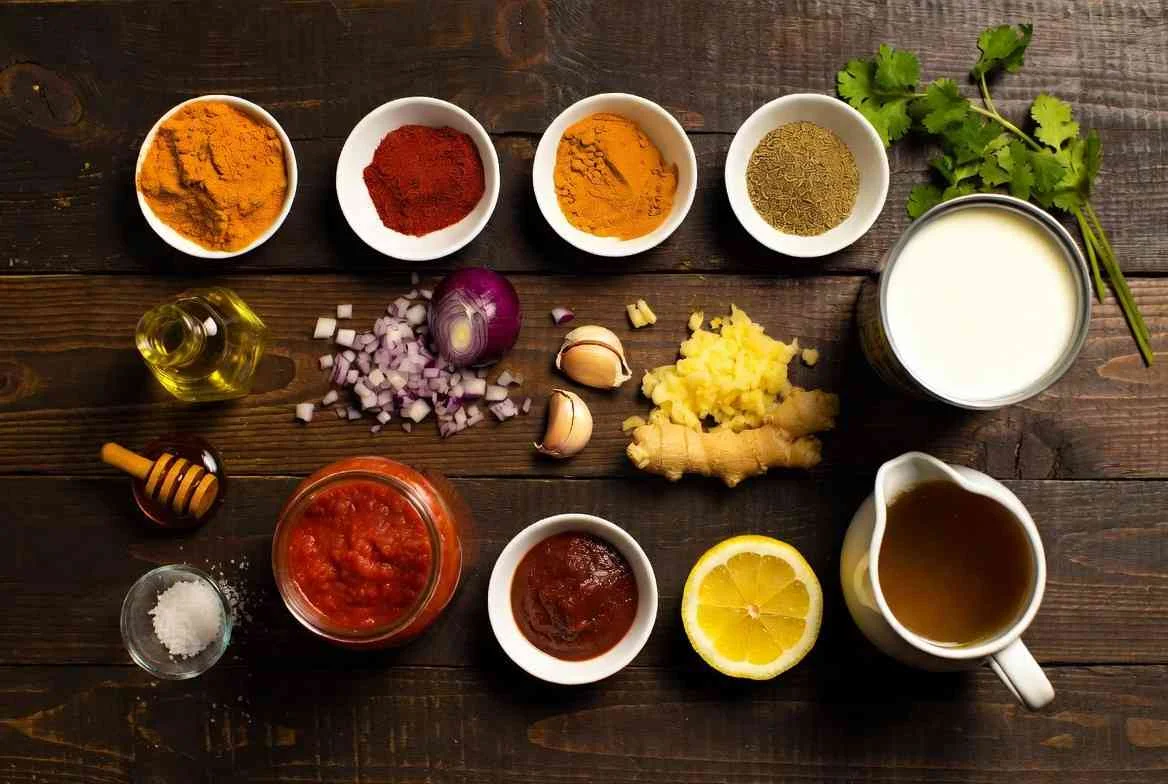
2 tablespoons oil or ghee
1 medium onion (finely chopped)
3 garlic cloves (minced)
1 tablespoon fresh ginger (grated)
2 tablespoons Madras curry powder
1 teaspoon paprika
½ teaspoon turmeric
½ teaspoon cumin
1 cup tomato puree
¾ cup coconut milk or cream
½ cup broth or water
1 teaspoon tomato paste
1 teaspoon sugar or honey (optional)
Salt to taste
1 tablespoon lemon juice
Fresh cilantro for garnish
→ Madras curry powder usually creates a warmer, more aromatic flavor than standard mild curry blends.
How to Make Madras Curry Sauce
- Cook the Onion Base
Heat oil or ghee in a pan over medium heat.
Add onions and cook for 6–8 minutes until soft and lightly golden.
→ Properly cooked onions help create deeper flavor and smoother texture.
- Add Garlic and Ginger
Stir in garlic and ginger.
Cook for 1 minute until fragrant.
- Bloom the Spices
Add:
1: Madras curry powder
2: Paprika
3:Turmeric
4:Cumin
Cook for 30–45 seconds while stirring continuously.
→ Cooking spices in oil helps release their essential oils and creates fuller curry flavor.
- Add Tomato Base
Stir in tomato puree and tomato paste.
Cook for 3–4 minutes until slightly thickened and darker in color.
- Add Liquid
Pour in coconut milk and broth.
Stir until smooth and evenly combined.
- Simmer the Sauce
Simmer gently for 10–15 minutes until creamy and rich.
Avoid boiling aggressively after adding coconut milk.
→ Gentle simmering helps maintain smoother texture and balanced flavor.
- Finish the Sauce
Add:
lemon juice
salt
optional honey
Taste and adjust seasoning before serving.
What Does Madras Curry Taste Like?
Warm and aromatic
Rich and savory
Slightly spicy
Mildly smoky
Creamy with tomato depth
Madras curry sauce is usually bolder and more flavorful than basic yellow curry sauces while still remaining balanced.
Why This Madras Curry Sauce Works
Slowly cooked onions build savory depth
Tomato puree adds body and richness
Madras curry powder creates layered spice flavor
Coconut milk balances heat and acidity
Lemon juice brightens heavier spices
→ The balance between spice, acidity, and creaminess gives the sauce a smoother restaurant-style finish.
Best Ways to Use Madras Curry Sauce
This sauce pairs especially well with:
Proteins
Chicken
Shrimp
→ It works especially well with grilled or roasted ingredients because the smoky spices complement charred flavor.
Expert Variations
Creamier Madras Curry Sauce
Add:
Extra coconut milk
Small amount of cream
Creates a milder and silkier finish.
Spicy Madras Sauce
Add:
cayenne pepper
fresh chilies
extra Madras powder
Best for spice lovers.
Coconut Madras Curry
Use full-fat coconut milk for a richer and slightly sweeter sauce.
Tomato-Forward Version
Add extra tomato puree for deeper acidity and stronger tomato flavor.
Pro Tips for Better Madras Curry Sauce
Use fresh garlic and ginger for stronger aroma
Cook spices briefly to avoid bitterness
Simmer gently instead of boiling hard
Taste after simmering because spice intensity changes during cooking
Add lemon juice at the end for fresher flavor
→ From testing, allowing the sauce to rest for a few minutes before serving slightly deepens the spice flavor.
Common Mistakes to Avoid
Burning the Spices
Overcooked curry powder can taste bitter.
Using Too Much Liquid
Excess broth weakens flavor and texture.
Skipping the Onion Stage
Undercooked onions create flat curry flavor.
Boiling Coconut Milk Too Hard
Aggressive heat can affect texture and richness.
How to Adjust Thickness
For Thicker Sauce
Simmer longer
Reduce broth slightly
Add extra tomato paste
For Thinner Sauce
Add broth gradually
Stir in extra coconut milk
→ The ideal consistency should coat chicken, vegetables, or rice smoothly without feeling heavy.
Storage Tips
Store in an airtight container in the refrigerator for up to 4 days.
Reheat gently over low heat while stirring occasionally.
→ Many curry sauces taste even more balanced the next day because the spices continue blending overnight.
FAQs
Is Madras curry sauce spicy?
Usually medium spicy, though heat level depends on the curry powder used.
What is the difference between Madras curry and regular curry sauce?
Madras curry sauce is generally hotter, darker, and more aromatic.
Can I make Madras curry sauce dairy free?
Yes. Coconut milk works very well as a dairy-free option.
What protein works best with Madras curry sauce?
Chicken, shrimp, lamb, paneer, and tofu all pair especially well.
Can I freeze Madras curry sauce?
Yes. Store in freezer-safe containers for up to 2 months.
Final Thoughts
This Madras curry sauce recipe creates a rich, aromatic, and balanced curry base using simple ingredients and proper spice layering. The combination of onions, tomatoes, garlic, ginger, and Madras curry powder delivers deeper flavor than many basic curry sauces while remaining flexible enough for different proteins, vegetables, and meals. Once you learn the base, it becomes an easy homemade curry sauce for both quick dinners and more traditional curry dishes.