Arabic garlic sauce shawarma is a bold, creamy Middle Eastern condiment made with garlic, oil, lemon juice, and salt. Known for its fluffy texture and intense garlic flavor, this traditional sauce is commonly served with chicken shawarma, beef wraps, kebabs, grilled meats, and pita bread across Lebanon, Syria, and Palestine. Its rich yet fresh flavor makes it one of the most iconic sauces in Arabic street food culture.
Arabic Garlic Sauce Shawarma Recipe
Preparation Time: 20 minutes
Cooking Time: 0 minutes
Total Time: 20 minutes
Yield: 2 Serving
Cuisine: Middle Eastern
Difficulty Level: Intermediate
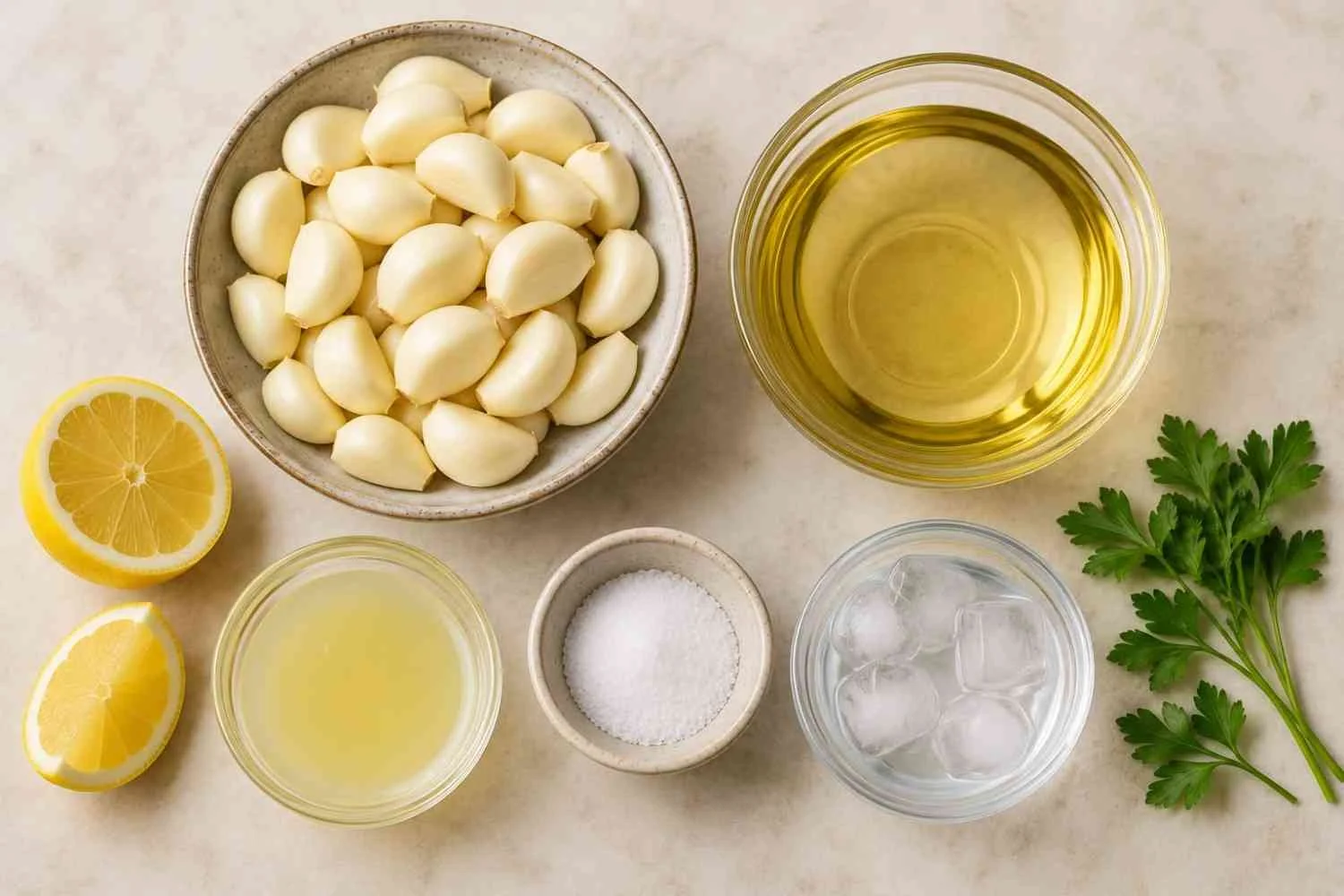
Arabic Garlic Sauce Shawarma Ingredients
1: 1 cup peeled garlic cloves
2: 2 cups neutral oil (sunflower, canola, or vegetable oil)
3: ¼ cup fresh lemon juice
4: 1 teaspoon salt
5: 2 tablespoons ice water (optional)
Optional Add-Ins
White pepper
Fresh parsley
Tahini
Mint
Extra lemon juice

How to Make Arabic Garlic Sauce Shawarma
Step 1: Blend the Garlic
Add the garlic cloves and salt to a blender or food processor. Blend until the garlic becomes a very smooth paste. Proper garlic texture is important because larger pieces can affect the emulsion.
Step 2: Start the Emulsion
With the machine running, slowly drizzle in a very small amount of oil. The mixture should begin turning creamy as the emulsion develops.
Step 3: Alternate Oil and Lemon Juice
Continue alternating between small amounts of oil and lemon juice while blending continuously. Slow incorporation helps create the fluffy texture associated with authentic Arabic garlic sauce.
Step 4: Continue Until Thick and Fluffy
As the arabic garlic shawarma sauce thickens, continue adding the remaining oil in a thin stream. The mixture should become smooth, airy, and bright white.
Step 5: Adjust the Texture
If needed, blend in ice water one tablespoon at a time for a lighter consistency.
Step 6: Chill Before Serving
Transfer the sauce to an airtight container and refrigerate for at least 30 minutes before serving. Chilling softens the sharpness of the garlic and improves overall flavor balance.
Syrian Sauce for Shawarma
Syrian garlic sauce for shawarma shares many similarities with Lebanese-style garlic sauce but often focuses on slightly lighter texture and smoother flavor balance.
In many Syrian shawarma shops, the garlic sauce is prepared thinner so it spreads evenly inside thin saj bread wraps. Syrian versions may also include:
Mild yogurt for softer texture
White pepper for subtle warmth
Slightly reduced garlic intensity
Additional lemon juice for brightness
Syrian shawarma culture places strong emphasis on sauce balance because the garlic sauce must complement heavily marinated chicken without overpowering the spices.
Chicken shawarma in Damascus-style restaurants is commonly served with garlic sauce, pickled cucumbers, fries, and thin flatbread. Many Syrian restaurants continue preparing fresh garlic sauce daily because freshness strongly affects texture and flavor.

Palestinian Garlic Sauc For Shawarama Variations
Palestinian garlic sauce variations often reflect local ingredients and family traditions. While some recipes resemble Lebanese-style toum closely, others incorporate yogurt or tahini for additional creaminess and balance.
In Palestinian shawarma and grilled meat traditions, garlic sauce is commonly paired with:
Shawarma sandwiches
Grilled kofta
Musakhan-inspired chicken
Falafel wraps
Fresh pita bread
Palestinian variations often lean slightly tangier because lemon juice plays a stronger role in balancing the garlic flavor.
In some regions, olive oil may partially replace neutral oil to create a deeper and slightly earthier taste.
What Is Arabic Garlic Sauce?
Arabic garlic sauce is one of the most popular traditional Middle Eastern shawarma sauces, commonly served with shawarma, grilled chicken, kebabs, falafel, sandwiches, and roasted vegetables.
The sauce is known for being:
→ Intensely garlicky
→ Smooth and fluffy
→ Bright white in color
→ Slightly tangy
→ Rich without feeling heavy
One reason Arabic garlic sauce remains so popular is its ability to balance heavily seasoned meats while adding freshness and creaminess to wraps and platters.
Cultural Importance of Arabic Garlic Sauce
Arabic garlic sauce holds deep cultural significance throughout Middle Eastern cuisine and street food traditions. In many Arab countries, shawarma restaurants prepare fresh garlic sauce every day because freshness directly affects both flavor and texture.
In Lebanon, Syria, and Palestine especially, garlic sauce is strongly associated with:
Family-owned shawarma shops
Rotisserie chicken restaurants
Traditional mezze spreads
Grilled meat platters
Street food culture
Garlic sauce represents more than just a condiment. It reflects hospitality, freshness, and preparation techniques passed down through generations.
Many traditional restaurants still prepare garlic sauce in small batches because proper emulsification requires patience and careful attention.
Why Traditional Preparation Matters
Authentic Arabic garlic sauce depends heavily on technique rather than complicated ingredients.
1: Slow Oil Incorporation
Adding oil slowly allows the emulsion to form properly. Pouring too quickly often causes separation.
2: Proper Garlic Texture
The garlic must become extremely smooth before adding oil. Uneven garlic texture can destabilize the sauce.
3: Fresh Lemon Juice
Fresh lemon juice provides cleaner acidity and brightness than bottled versions.
4: Ingredient Temperature
Using ingredients at similar temperatures improves emulsion stability.
5: Patience During Blending
Traditional garlic sauce requires gradual incorporation and steady blending. Rushing usually affects the final texture.
What Does Arabic Garlic Sauce Taste Like?
→ Garlicky – Fresh garlic creates the bold signature flavor associated with shawarma shops.
→ Creamy – Proper emulsification creates a fluffy texture without mayonnaise or dairy.
→ Tangy – Lemon juice balances the richness of the oil and sharpness of the garlic.
→ Savory – Salt enhances the natural depth of the garlic flavor.
→ Fresh – The sauce tastes bright and clean despite its richness.
The flavor is strong yet balanced, making it ideal for heavily seasoned grilled meats.
Best Ways to Use Arabic Garlic Sauce
1: Chicken Shawarma Wraps
Spread generously inside pita bread with chicken shawarma, pickles, onions, and fries.
2: Beef Shawarma Sandwiches
The creamy garlic flavor balances the spices commonly used in beef shawarma marinades.
3: Grilled Kebabs
Serve alongside lamb, chicken, or beef kebabs for dipping.
4: Rotisserie Chicken
Arabic garlic sauce is traditionally paired with charcoal chicken and roasted poultry.
5: Falafel Wraps
The bold garlic flavor pairs especially well with crispy falafel.
6: Roasted Potatoes and Fries
Many shawarma restaurants serve garlic sauce as a dipping sauce for fries because of its creamy texture and savory flavor.
Common Mistakes When Making Arabic Garlic Sauce
Adding Oil Too Quickly
This is the most common reason the sauce separates.
Using Old Garlic
Older garlic cloves often produce bitterness and weaker flavor.
Overprocessing
Excessive blending after the emulsion forms may affect the texture.
Using Strong-Flavored Oils
Neutral oils work best because they allow the garlic flavor to remain dominant.
Skipping Rest Time
Freshly blended sauce tastes sharper than properly chilled sauce.
How to Fix Broken Garlic Sauce For Shawarama
If the sauce separates, it can often be repaired.
Blend one fresh garlic clove into a paste and slowly drizzle the broken sauce back into the blender while processing continuously. This creates a new emulsion base that often restores the texture.
Ice water may also help stabilize the mixture during blending.
Many separated batches can still be saved successfully with patience and slow blending.
Storage Tips
Transfer the sauce to a clean airtight container immediately after preparation.
Store refrigerated until needed. The garlic flavor often mellows slightly after several hours, producing a smoother and more balanced sauce.
Stir gently before serving if slight separation occurs.
Preparing the sauce ahead of time is common in many shawarma restaurants because the flavor improves after resting.
FAQs
What is Arabic garlic sauce made of?
Traditional Arabic garlic sauce is made from garlic, oil, lemon juice, and salt. Some regional variations may include yogurt or tahini, but authentic versions rely mainly on emulsification for their creamy texture.
Why does Arabic garlic sauce become fluffy?
The fluffy texture develops when garlic, oil, and lemon juice form a stable emulsion during slow blending. Proper incorporation creates the airy consistency associated with traditional shawarma garlic sauce.
Conclusion
Arabic garlic sauce for shawarma remains one of the most iconic condiments in Middle Eastern cuisine because of its bold garlic flavor, fluffy texture, and versatility. From Syrian shawarma shops to Palestinian grilled meat traditions, each variation reflects regional culture while preserving the same core principles of freshness, balance, and careful emulsification. Whether served with chicken shawarma, beef wraps, grilled kebabs, or roasted vegetables, this authentic garlic sauce delivers the rich restaurant-style flavor that defines traditional Middle Eastern street food.