A flavorful seafood boil sauce depends on balance, technique, and quality ingredients. Even with a simple recipe, small mistakes can affect the flavor, texture, and consistency of the finished sauce. Learning the most common seafood boil sauce mistakes helps you create a rich, buttery sauce that complements shrimp, crab, lobster, crawfish, mussels, clams, potatoes, and corn without overpowering their natural flavors.
Common Mistakes of Seafood Boil Sauce
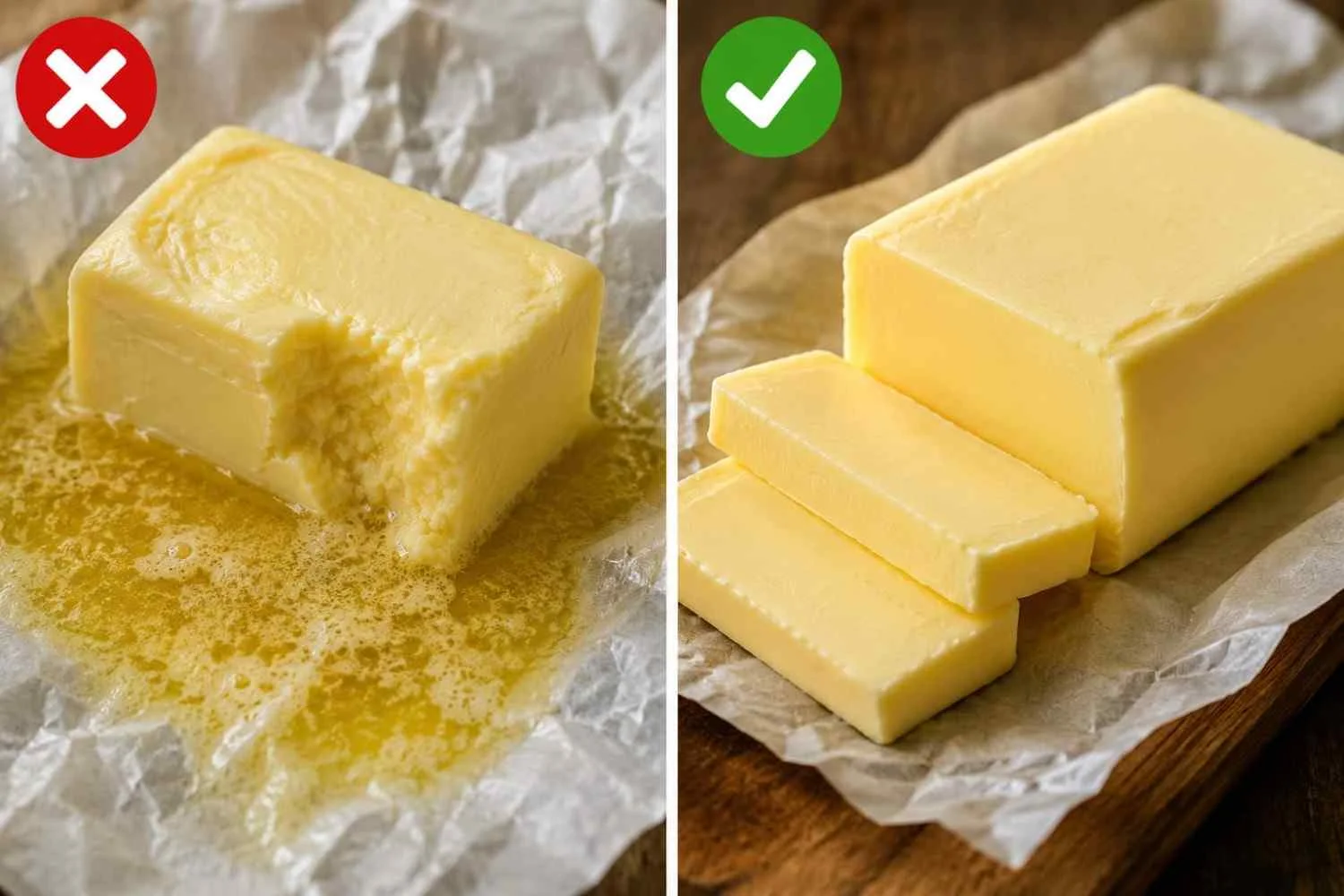
1. Using Low-Quality Butter
Butter is the foundation of seafood boil sauce, making its quality one of the biggest factors in the final result. Butter with a higher water content often produces a thinner sauce that lacks the rich, silky texture associated with restaurant-style seafood boils.
Unsalted butter is generally the better choice because it allows you to control the salt level while creating a cleaner buttery flavor. Since butter carries every herb and spice throughout the sauce, choosing a quality product improves both flavor and consistency.
2. Burning the Garlic
Fresh garlic creates the signature aroma of seafood boil sauce, but it also cooks very quickly. Leaving garlic over high heat for too long can cause it to brown excessively, resulting in a stronger flavor than intended.
Instead, cook the garlic gently in melted butter over low heat for about two minutes until fragrant. This develops a smoother, sweeter garlic flavor that blends naturally into the sauce.

3. Adding Too Much Cajun Seasoning
Cajun seasoning already contains paprika, garlic powder, onion powder, black pepper, herbs, and other spices. Adding excessive amounts can overwhelm the butter and reduce the natural sweetness of the seafood.
Start with a moderate amount and allow the seasoning to blend into the butter before deciding whether more is needed. Small adjustments almost always produce better results than adding large amounts at once. You can aslo checkout our classic cajun seafood boil sauce recipe.
4. Skipping Fresh Lemon Juice
Fresh lemon juice provides balance by cutting through the richness of melted butter. Without it, seafood boil sauce can taste heavier and less vibrant.
Adding lemon juice near the end of cooking preserves its fresh citrus flavor while helping shrimp, crab, lobster, crawfish, mussels, and clams taste brighter and more balanced.
5. Cooking Over High Heat
One of the most common seafood boil sauce mistakes is trying to speed up the cooking process.
High temperatures can brown the butter, overcook the garlic, and reduce the sauce more quickly than expected. Herbs and spices may also lose some of their aroma when exposed to excessive heat.
Cooking over low to medium-low heat allows every ingredient to blend gradually while maintaining the silky consistency expected from homemade seafood boil sauce.
6. Not Blooming the Spices
Paprika, smoked paprika, garlic powder, onion powder, oregano, thyme, and other dry seasonings release deeper flavor when briefly cooked in melted butter.
Skipping this step often produces a sauce that tastes less developed, even though the same ingredients are being used. Blooming the spices for about one minute creates richer aroma and more even seasoning throughout the butter.
7. Making the Sauce Too Thick
Allowing seafood boil sauce to simmer for too long causes moisture to evaporate, resulting in a thicker consistency.
A properly prepared seafood boil sauce should remain smooth and pourable while still coating shrimp, crab, lobster, potatoes, and corn evenly. If the sauce becomes too thick, stir in a small amount of warm water or fresh lemon juice until it reaches the desired consistency.
8. Forgetting to Taste Before Serving
Even when following a recipe closely, different brands of butter, Worcestershire sauce, Cajun seasoning, and spices can produce slightly different flavors.
Tasting the seafood boil sauce before serving allows you to make small adjustments to butter, lemon juice, garlic, herbs, or seasoning. These simple changes often improve the final flavor without requiring major changes to the recipe.
9. Using Bottled Lemon Juice Instead of Fresh
Fresh lemon juice provides cleaner citrus flavor than bottled alternatives. While bottled lemon juice may seem convenient, it often lacks the bright freshness that helps balance buttery seafood boil sauce.
Whenever possible, squeeze fresh lemons just before adding the juice to the sauce. The fresh citrus aroma creates a more vibrant finish and complements seafood more naturally.
10. Adding Fresh Herbs Too Early
Fresh parsley and other delicate herbs should be stirred into the sauce near the end of cooking.
Adding them too early can reduce their bright color and fresh flavor, leaving the sauce looking dull while losing one of its finishing touches. Fresh herbs are most effective when added just before serving.
11. Not Stirring the Sauce Consistently
As the butter melts and the seasonings are added, continuous stirring helps distribute every ingredient evenly throughout the sauce.
Without regular stirring, garlic and spices may settle or cook unevenly, creating inconsistent flavor. Gentle stirring throughout the cooking process produces a smoother sauce with balanced seasoning in every spoonful.
Here’s Part 2, which completes the article and brings the total close to 1,200 words.
Why These Seafood Boil Sauce Mistakes Matter
Every ingredient in seafood boil sauce has a specific purpose, and even small mistakes can change the final result. Butter provides richness, garlic builds savory depth, lemon juice adds brightness, and herbs and spices create layers of flavor. When one element becomes too strong or too weak, the sauce loses the balance that makes it so enjoyable.
Avoiding these common seafood boil sauce mistakes helps create a sauce that coats seafood evenly instead of separating or becoming greasy. It also ensures that shrimp, crab, lobster, crawfish, mussels, and other seafood remain the highlight of the meal while the sauce enhances their natural sweetness.
Developing good cooking habits, such as using gentle heat, tasting before serving, and adding ingredients in the proper order, produces more consistent results every time you prepare homemade seafood boil sauce.
Expert Tips for Better Seafood Boil Sauce
Professional-looking results often come from following a few simple techniques rather than using complicated ingredients.
- Melt butter slowly over low heat to maintain a smooth consistency.
- Always use freshly minced garlic for the best aroma and flavor.
- Bloom dry seasonings in butter before adding Worcestershire sauce or lemon juice.
- Add fresh parsley after removing the saucepan from the heat.
- Stir continuously while preparing the sauce to distribute the herbs and spices evenly.
- Taste the sauce before serving and make small adjustments if necessary.
- Pour the sauce over warm seafood immediately after cooking so it coats every ingredient evenly.
- Serve extra sauce on the side for dipping crab legs, lobster tails, shrimp, and crusty bread.
Frequently Asked Questions
What is the biggest seafood boil sauce mistake?
The biggest seafood boil sauce mistake is cooking the butter and garlic over high heat. This can brown the butter, overcook the garlic, and produce a sauce that lacks the smooth, rich flavor expected from a homemade seafood boil.
Why is my seafood boil sauce too greasy?
Seafood boil sauce may become greasy if the butter gets too hot or if the ingredients are not stirred together properly. Melting the butter slowly and mixing continuously helps create a smoother, more balanced sauce.
Conclusion
Avoiding common seafood boil sauce mistakes is one of the easiest ways to improve homemade seafood boils. Small adjustments such as choosing quality butter, cooking garlic gently, blooming the spices, using fresh lemon juice, and stirring consistently can noticeably improve both flavor and texture.
A well-made seafood boil sauce should be smooth, rich, and balanced while enhancing the natural sweetness of shrimp, crab, lobster, crawfish, mussels, clams, potatoes, corn, and smoked sausage. By understanding these common mistakes and following simple cooking techniques, you can prepare a flavorful seafood boil sauce that delivers consistent, restaurant-style results every time you cook.